Uncategorized 24 February 2026

2026–27 Nova Scotia Budget What Every Halifax Homebuyer Renter and Investor Needs to Know

2026–27 Nova Scotia Budget: What Every Halifax Homebuyer, Renter, and Investor Needs to Know

By Rob Lough| Broker/Owner, Century 21 Optimum Realty | February 2026


The Nova Scotia government’s 2026–27 provincial budget dropped a significant investment in housing and whether you’re a first-time buyer, a rental property investor, or a homeowner thinking about adding a secondary suite, there’s something in this budget that directly affects your next move. Here’s a plain-language breakdown of what matters most for buyers and sellers across the Halifax Regional Municipality, East Hants, and beyond.


A Budget Built Around Housing Supply

After years of record demand and tight inventory across Nova Scotia, the province is responding with a supply-side strategy, meaning the focus is on building more units, supporting more renters, and reducing barriers for developers. The overall investment in housing and affordability measures is substantial, and the ripple effects will be felt across the Halifax real estate market for years to come.


$88 Million for Public Housing: What It Means for the Market

The budget commits $88 million toward building, renovating, and maintaining public housing, including the first new public housing builds in over two decades. That includes:

$36.8 million (third year of funding) for 222 new public housing units, plus $10.6 million for an additional 242 units currently in the pipeline. Communities including Lower Sackville, Glace Bay, Kentville, Windsor, and Shannon Park in Dartmouth are among the targeted locations.

For private market participants, this matters because non-market supply absorbs demand from the lowest end of the rental spectrum, which can gradually ease pressure throughout the broader rental market. It won’t happen overnight, but it’s the most direct housing investment Nova Scotia has made in a generation.


The HST Rebate on Purpose-Built Rentals: A Game-Changer for Investors

This is arguably the single most impactful measure in the budget for real estate investors. The provincial HST rebate continues for new purpose-built rental projects that started construction on or after September 14, 2023 and complete by December 31, 2035. The estimated fiscal impact is $54.1 million in 2026–27 alone.

Combined with the federal GST/HST rental rebate announced in 2023, this significantly improves the financial viability of new multi-unit rental development. If you’re an investor or developer evaluating a purpose-built rental project in HRM or elsewhere in Nova Scotia, this is the pro forma improvement that could make a project pencil out. Reach out to our team to discuss how this might apply to properties or land you’re considering.


Backyard and Secondary Suites: $20 Million Over Three Years

The Backyard Suites Incentive Program receives another $6.9 million in this budget, bringing its three-year total to $20 million. This program supports homeowners and small-scale investors who want to add a secondary or garden suite to an existing property.

For homeowners, this can generate rental income that offsets mortgage costs. For investors, it’s an opportunity to increase cash flow on existing single-family holdings — where zoning and municipal permitting allow. If you’re thinking about whether a property you own or are considering buying could support a secondary unit, our team can help you evaluate the opportunity.


Rent Supplements Expanding to 10,500 Active Recipients

The budget ramps up rent supplement funding significantly, moving toward 10,500 active rent supplements — up from the roughly 8,900 currently in place. An additional $10.9 million is earmarked for 1,000 supplements specifically targeting individuals facing gender-based violence.

For landlords, rent supplements mean a portion of your tenant’s rent is backed by government funding, reducing default risk. As this program expands, more tenants across Nova Scotia will be supplement-eligible, which has implications for landlord risk assessment and vacancy rates in affordable rental segments.


First-Time Homebuyers Pilot: 2% Down Through Credit Unions

One of the more eye-catching announcements is the First Time Homebuyers Pilot Program, which allows eligible buyers to purchase a home with as little as a 2% down payment through participating provincial credit unions. Details are still emerging, but for buyers who’ve been sidelined by down payment requirements, this could open a door.

It’s worth noting that a smaller down payment means a larger mortgage — so the qualification math and stress test still matter. If you’re a first-time buyer trying to figure out whether this program works for you, start with a conversation with our team. We’ve been helping Nova Scotians navigate first-time purchases for over 24 years and can help you connect with the right lenders and understand your full range of options.


Student Housing Investment: Easing Campus Rental Pressure

The budget allocates $30.8 million for new student housing at NSCC Cumberland and NSCC Kingstec campuses. For investors who own rental properties near those campuses, this will eventually bring new purpose-built beds online, which could affect vacancy rates in those micro-markets. Monitoring how quickly construction progresses and when units come online will be important for anyone with rental holdings in those areas.


$130 Million for Homelessness and Supportive Housing

The budget’s largest single housing-related investment is $130.5 million for homelessness and housing stability, including $77.9 million for supportive housing, $33.6 million for shelter capacity, and $25.2 million to create 378 new supportive housing units. The Tiny Homes Community in Lower Sackville receives $1.8 million to support up to 70 residents.

This level of investment in the supportive housing continuum gradually moves vulnerable individuals out of informal or private-market housing arrangements and into purpose-built supportive units, which has downstream implications for low-end rental demand.


$34 Million for Skilled Trades: Addressing the Labour Bottleneck

No housing supply discussion is complete without addressing the labour gap. The budget commits $34.3 million to accelerate skilled trades growth, including $5 million for the new Institute of Skilled Trades. This is a long-game investment — training today’s apprentices means more capacity to build tomorrow’s homes. For developers and builders, this signals the province is aware that labour is as much a constraint as land and financing.


The Bottom Line for Nova Scotia Buyers, Sellers, and Investors

[chart placeholder: 2026–27 Nova Scotia Housing Budget Allocations by Category]

This budget sends a clear message: Nova Scotia is committed to growing housing supply across all segments, market, non-market, supportive, and student. For buyers, sellers, and investors active in the Halifax real estate market right now, the key programs to watch are:

The purpose-built rental HST rebate for investors and developers building new multi-unit rental projects. The Backyard Suites Incentive for homeowners and small investors adding secondary units. The First Time Homebuyers Pilot for clients who’ve been saving for a down payment. The rent supplement expansion for landlords with tenants in the affordable segment.

Government investment alone won’t solve Nova Scotia’s housing affordability challenge, but the combination of direct public building, HST relief, and buyer programs represents the most comprehensive package the province has assembled in years.


Thinking About Your Next Move?

Whether you’re a first-time buyer exploring new programs, an investor evaluating a rental development opportunity, or a homeowner wondering whether a backyard suite makes sense for your property, our team at Century 21 Optimum Realty is here to help. With 24 years of experience in Nova Scotia real estate, we know this market — and we know how to help you make the most of it.

📞 Contact us today to talk through what this budget means for your real estate goals.

Uncategorized 13 February 2026

Ten Years of Nova Scotia Real Estate in Five Key Charts

  • From Slow Starts to Bidding Wars: Ten Years of Nova Scotia Real Estate in Five Key Charts

    By Rob Lough, Broker/Owner – Century 21 Optimum Realty
    Published February 2026 | Updated monthly

    A decade of Nova Scotia real estate can be summed up in five telling graphs: days on market, average price, units sold, sold-to-ask ratio, and total dollar volume. Together, they show how our province moved from sleepy listing times and modest prices to a pandemic-fuelled frenzy—and now into a higher-priced but more balanced market.

    Whether you’re a first-time buyer trying to time the market, a homeowner curious about your equity, or an investor eyeing long-term returns, these five charts tell the story you need to understand before making your next move.

    For an even deeper dive, this article pairs perfectly with our long-form breakdown in Nova Scotia Housing Market 2025: A Comprehensive Analysis of Home Prices and Trends.


    The 2017 Baseline: A Slower, More Affordable Market

    Average Days on Market Ten Years of Nova Scotia Real Estate

    Average Days on Market Ten Years of Nova Scotia Real Estate

    Back in 2017, the Average Days on Market chart shows that typical Nova Scotia listings sat 90–120 days before finding a buyer. That’s three to four months of showings, price adjustments, and waiting—a far cry from today’s pace.

    Average Price Homes Sold Ten Years of Nova Scotia Real Estate

    Average Price Homes Sold Ten Years of Nova Scotia Real Estate

    Pair that with the Average Price chart, which shows values hovering in the low $200,000s, and you get the picture of a market where buyers could take their time, negotiate freely, and enter homeownership at a relatively low price point.

    This period lines up with the early years covered in our Five Years of Nova Scotia Real Estate Market Analysis, where we trace the market’s shift from those modest early-2010s values into today’s elevated price range. For many Nova Scotians, 2017 still feels like “normal”—but the graphs make clear it was the start of a major uptrend, not the middle of one.


    2020–2022: Two Charts Capture the Pandemic Frenzy

    The real drama begins when you look at 2020–2022 across three graphs at once.

    Number of Homes Sold Ten Years of Nova Scotia Real Estate

    Number of Homes Sold Ten Years of Nova Scotia Real Estate

    Sold to Ask Ratio Ten Years of Nova Scotia Real Estate

    Sold to Ask Ratio Ten Years of Nova Scotia Real Estate

    Days on market plunges into the 20–30-day range. Units sold spike to seasonal highs nearing 1,700–1,800 transactions per month. And the sold-to-ask ratio soars above 105 percent—meaning homes were consistently selling above their listed price. That’s the statistical fingerprint of province-wide bidding wars.

    Meanwhile, the average price chart shows values accelerating from the mid-$200Ks into the $400K–$450K band over just a few years. Prices rose more than 50 percent from 2021 to 2025 alone.

    What this meant for buyers: Multiple-offer situations became the norm. Conditional offers were routinely rejected. Buyers who hesitated lost out. It was the most competitive stretch in Nova Scotia’s modern real estate history.

    What this meant for sellers: If you listed during 2021–2022, you likely sold fast, above asking price, and with minimal conditions. It was a window of extraordinary leverage.


    The Value of Solds Chart: When Volume and Price Peak Together

    Value of Sold Homes Ten Years of Nova Scotia Real Estate

    Value of Sold Homes Ten Years of Nova Scotia Real Estate

    The Value of Solds graph is where everything converges. High prices combined with high transaction counts pushed total dollar volume to record levels in 2021–2022, with monthly peaks reaching the $600M–$800M range.

    That means not only were more homes changing hands—they were selling for significantly more money. It’s why those years felt so intense for everyone involved: buyers, sellers, lenders, and agents alike.

    In our article Canadian Real Estate 2025: Why Nova Scotia’s Housing Market Outshines Major Cities, we compare this surge to performance in larger urban centres across the country—and Nova Scotia more than holds its own.


    2023–2025: A Cooldown in Activity, But Not in Prices

    From 2023 onward, the Days on Market graph shows a steady climb back into the 50–70-day range. The Units Sold chart reveals lower seasonal peaks than during the pandemic boom. And the Sold-to-Ask Ratio slips under 100 percent, signalling fewer bidding wars and slightly more room for negotiation.

    Yet the Average Price chart tells a different story. Prices plateau in the mid-$400Ks to near-$500K range rather than rolling back to pre-2020 levels, with 2025 averages often between roughly $440,000 and $500,000. The floor has shifted permanently upward.

    This matches the conclusions in our Nova Scotia Real Estate Market Statistics 2025: A Year of Transition, where we highlight that 2025 prices finished the year above January levels despite softer transaction activity.

    What this means for buyers: You have more time and leverage than you did during the peak. Longer days on market and sold-to-ask ratios in the mid-to-high 90s give you room to negotiate conditions and price. But entry prices remain significantly higher than pre-pandemic levels.

    What this means for sellers: You’re no longer in the “name your price” era of 2021–2022, but the combination of elevated prices and healthy demand still makes this a favourable environment—especially if you’re trading up or relocating out of province.


    A Real-World Example: 2017 Buyer vs. 2026 Value

    Using the Average Price graph and our own long-term analysis, Nova Scotia’s typical home price has climbed roughly 133 percent over the decade.

    If someone bought a $200,000 home in 2017 and their property tracked the provincial average, today it would be worth approximately $466,000. That’s about $266,000 in price-driven equity alone—before factoring in mortgage pay-down or renovations.

    For a more focused five-year view, our Five Years of Nova Scotia Real Estate Market Analysis shows that a buyer at the start of 2021 has already seen roughly a 50 percent-plus return by the end of 2025. Long-term homeownership in this province has been one of the most reliable wealth-building strategies available.


    What the Graphs Mean for You in 2026

    Looking across all five graphs, the message is clear: Nova Scotia’s real estate market has matured, but it hasn’t stalled.

    For sellers: Elevated prices and sold-to-ask ratios in the mid-to-high 90s still make this a favourable environment. Pricing right and presenting well remain key—the days of under-listing and expecting a bidding war to close the gap are behind us, but well-prepared listings are still rewarded.

    For buyers: Higher entry prices are the new reality, but longer days on market and sub-100 percent sold-to-ask ratios give you more time and negotiating leverage than any point since 2019. Consider exploring programs like Nova Scotia’s Down Payment Assistance Program and the First Home Savings Account (FHSA) to reduce your upfront costs.

    For investors: The price and dollar-volume charts show that long-term ownership has been highly rewarding. Combined with Nova Scotia’s ongoing population growth and development trends—covered in pieces like Halifax Real Estate Market Insights: 4 Surprises and Halifax & Bedford Housing Boom—the fundamentals remain strong for buy-and-hold strategies.


    Quick Reference: What Each Chart Tells You

    • Days on Market: How fast homes are selling. Lower numbers mean a hotter market and less time to make decisions.

    • Average Price: The wealth-building metric. Tracks how much home values have grown over the decade.

    • Units Sold: Overall market activity. Higher counts signal strong demand and confidence.

    • Sold-to-Ask Ratio: Negotiating power. Above 100 percent means sellers have the edge; below means buyers have room to negotiate.

    • Value of Solds: Total market size. When volume and prices peak together, it reflects a market running at full capacity.


Uncategorized 12 February 2026

Nova Scotia Real Estate Market Stats January 2026

Nova Scotia Real Estate Market Stats January 2026: Prices Climb 11.3% as Sales Volume and Market Pace Cool Significantly

By Rob Lough, Broker/Owner, Century 21 Optimum Realty Published February 2026

Nova Scotia’s residential real estate market entered 2026 with a sharp divergence between price growth and market activity. Average home prices are up 11.3% year over year, but nearly every other indicator (units sold, total dollar volume, days on market, and sold-to-ask ratios) is flashing yellow. Fewer homes are selling, they’re taking longer to move, and buyers are negotiating harder than they have in over a year.

The Bank of Canada held its overnight rate steady at 2.25% on January 28, 2026, signaling a prolonged pause that’s expected to last through much of the year. With the prime rate sitting at 4.45% and the lowest five-year variable rates around 3.35%, borrowing costs have stabilized, but they remain well above the ultra-low levels that fueled Nova Scotia’s pandemic-era boom.

Here’s a full breakdown of where the market stands heading into 2026, how it compares to January 2025, and what it means whether you’re buying or selling.


Average Sale Price: $491,129, Up 11.3% Year Over Year

Average Prices of Solds January 2026 Market Stats Nova Scotia

Average Prices of Solds January 2026 Market Stats Nova Scotia

Nova Scotia’s average sale price reached $491,129 in January 2026, up from $441,429 in January 2025, a year-over-year increase of 11.3%. That’s the highest January average on record for the province and a new peak in the 13-month dataset.

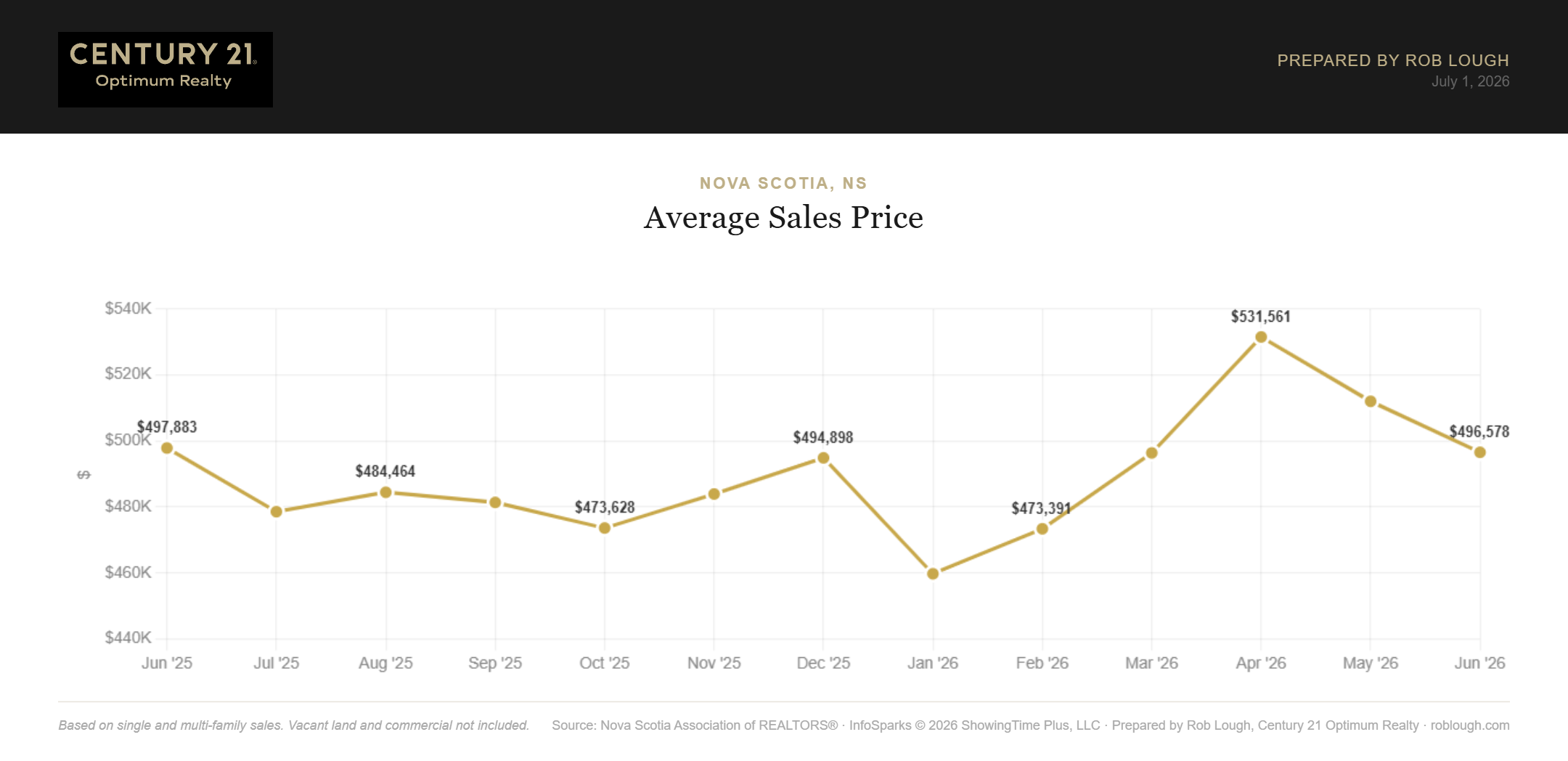
Prices climbed steadily through the spring of 2025, reaching $472,723 in April before dipping slightly in May ($455,998). The summer months brought the strongest readings, with June ($493,915) and July ($495,424) both pushing above $490K. A pullback followed through the fall, with averages settling in the $468K to $471K range between September and November, before the sharp January 2026 rebound pushed prices past the summer highs.

That pattern is important. Despite slower sales, longer days on market, and weaker sold-to-ask ratios, prices haven’t corrected. Population growth, limited housing supply, and sustained demand from interprovincial migration continue to put upward pressure on values even when buyer activity cools seasonally.

What this means for sellers: Your equity position is significantly stronger than it was 12 months ago. Even with seasonal softness through the fall, prices rebounded past summer peaks heading into 2026. Curious what your property is worth in today’s market? Get a free home valuation.

What this means for buyers: Prices haven’t corrected, even as other metrics shift in your favour. If you’re waiting for a meaningful price drop, the data doesn’t support that expectation, at least not yet. If you’re ready to move forward, getting pre-approved for a mortgage is the smartest first step to understanding what you can afford at today’s rates.


Units Sold: 543, Down 14.8% From January 2025

Number of Units Sold January 2026 Market Stats Nova Scotia

Number of Units Sold January 2026 Market Stats Nova Scotia

Nova Scotia recorded 543 residential sales in January 2026, a significant decline of 14.8% from the 637 units sold in January 2025. That’s not just a seasonal dip. It represents a meaningful year-over-year pullback in buyer activity during what’s already the slowest month of the year.

Monthly sales followed a classic seasonal bell curve through 2025, climbing from 637 in January to a peak of 1,380 units in July, before declining steadily back to 543 by January 2026. February 2025 was the year’s low point at just 517 units, and while January 2026’s figure is higher than that winter trough, the year-over-year comparison tells the real story: fewer buyers are transacting now than at the same time last year.

According to NSAR data, year-to-date sales through the first 11 months of 2025 were essentially flat compared to 2024, with 10,464 units sold, virtually unchanged from the prior year. The January 2026 drop suggests that plateau may be tilting downward as we enter the new year.


Total Dollar Volume: $266.7M, Down 5.2% From January 2025

Dollar Value of Units Sold January 2026 Market Stats Nova Scotia

Dollar Value of Units Sold January 2026 Market Stats Nova Scotia

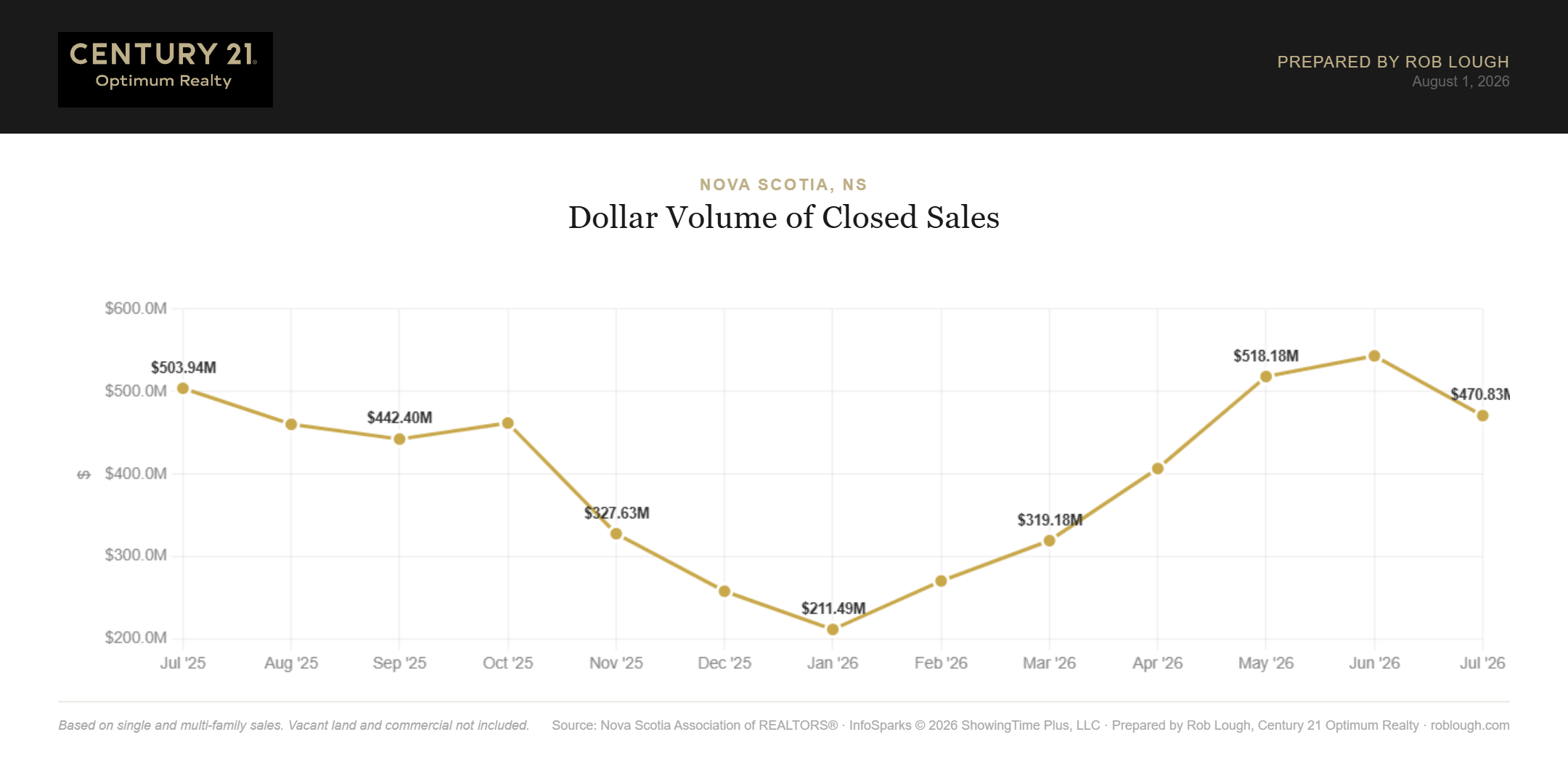
The total value of homes sold in January 2026 came in at approximately $266.7 million, down from $281.2 million in January 2025, a year-over-year decline of roughly 5.2%. While higher average prices partially offset the drop in unit sales, the net effect was still a reduction in total market activity.

Through 2025, dollar volume followed the same seasonal arc as unit sales, rising from $281M in January to a peak of $683.7M in July, then declining through the fall and into the following January.

The combination of fewer transactions and seasonal softness drove total volume down by over 60% from peak to trough. For context, NSAR reported that the dollar value of all home sales in November 2025 was $354.3 million, itself a 9.5% decline from November 2024. The trajectory into January continued that cooling trend.

This matters beyond the real estate market itself. Lower transaction volume means reduced activity across the entire ecosystem, including mortgage lending, legal services, home inspections, moving companies, and renovation spending. All of these sectors feel the ripple effects of a quieter market.


Days on Market: 64.4 Days, Up 14.8% From January 2025

Average Days on market January 2026 Market Stats Nova Scotia

Average Days on market January 2026 Market Stats Nova Scotia

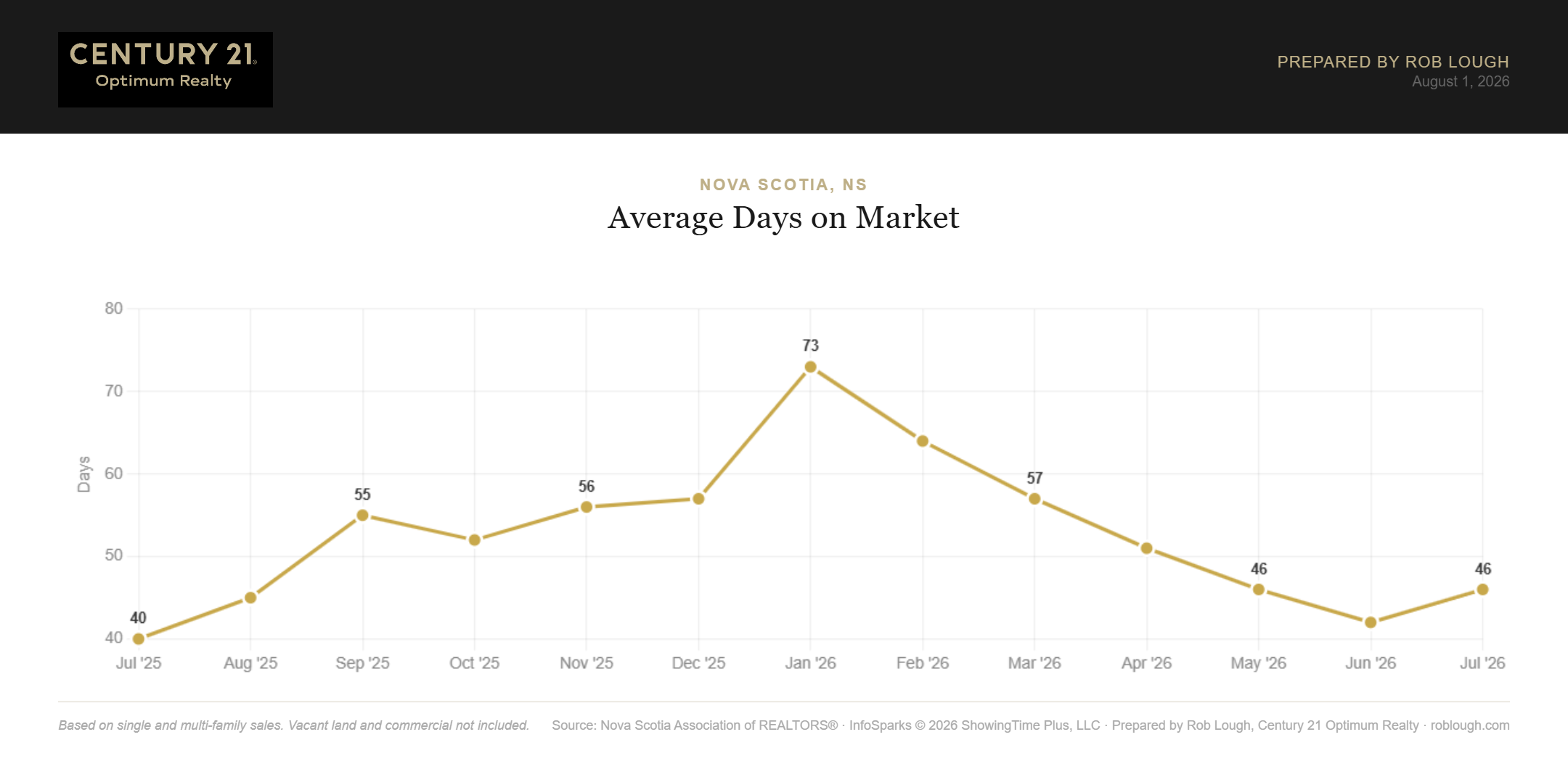
Average days on market (DOM) is one of the most telling indicators of market velocity, and the year-over-year comparison here is striking. Homes took an average of 64.4 days to sell in January 2026, up from 56.1 days in January 2025, an increase of 8.3 days, or 14.8%.

The full-year trend tells the story of two very different halves. DOM spiked to 69.6 days in February 2025, then improved dramatically as spring competition heated up, reaching a low of just 39.2 days in July 2025 when properties were moving fast. From there, the trend reversed sharply. DOM climbed every month through the second half, landing at 64.4 days by January 2026, the second-highest reading in the full 13-month period behind only the February 2025 spike.

Notably, NSAR data showed that even summer DOM in 2025 (around 40 days) was higher than the 28 to 30 day averages seen during the 2021 boom. The market is normalizing, and buyers are taking more time with decisions. That’s healthy, but it means sellers need to adjust their expectations accordingly.

What this means for sellers: Pricing strategy is more important than ever. The “list it and they’ll come” approach that worked in early summer is not effective in today’s market. Overpriced listings are sitting. Work with your Realtor to price competitively from day one and ensure your home shows at its best. For more guidance, see our tips for sellers.

What this means for buyers: You have more time and less pressure than at any point in the past year. The urgency of mid-summer has faded entirely, giving you room to do your due diligence, negotiate terms, and make informed decisions without the fear of losing out to competing offers. Check out our advice for buyers for more on how to navigate this market.


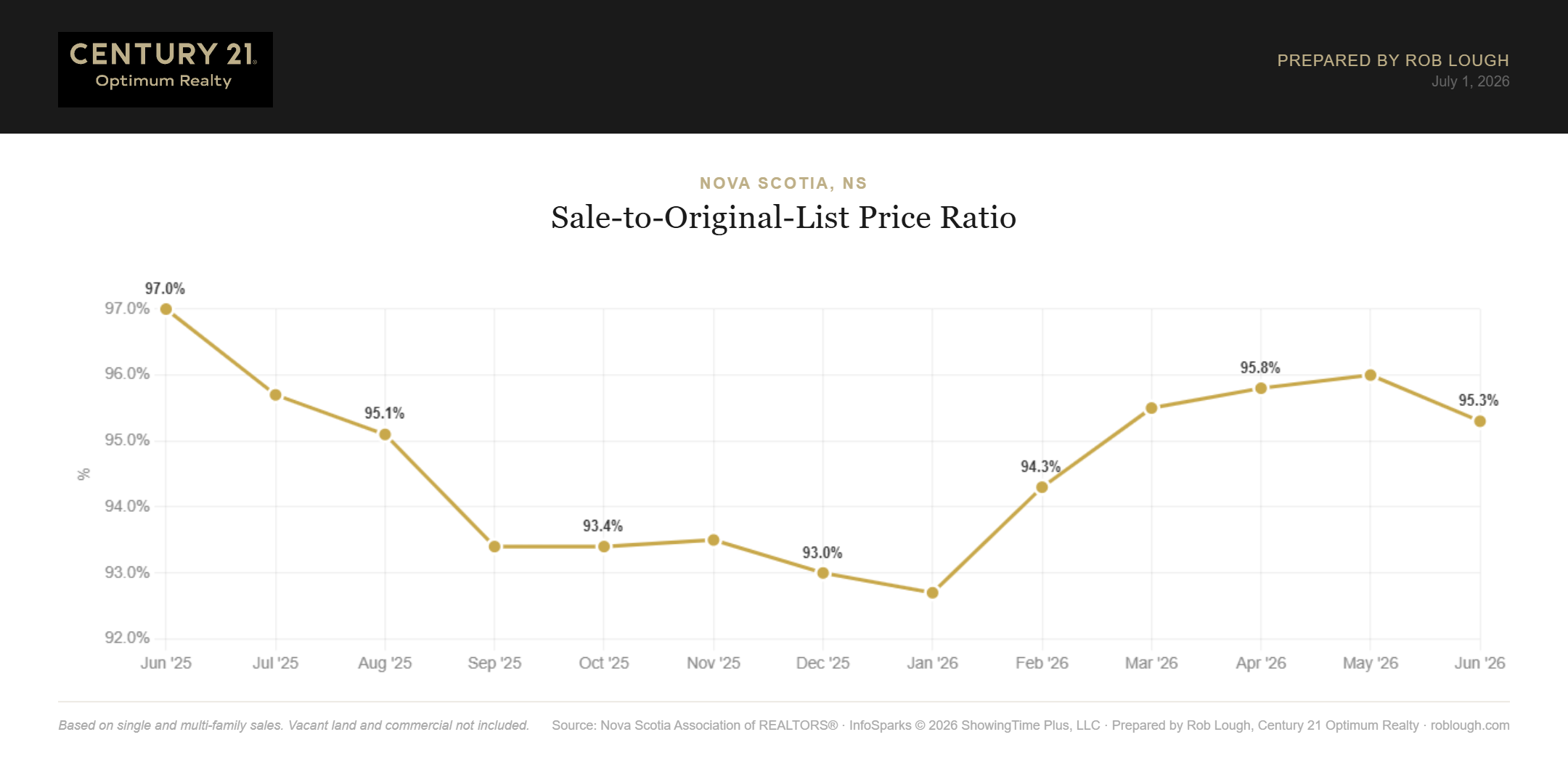
Sold-to-Ask Ratio: 95.3%, Down 2.1 Points From January 2025

Sold to Ask Ratio January 2026 Market Stats Nova Scotia

Sold to Ask Ratio January 2026 Market Stats Nova Scotia

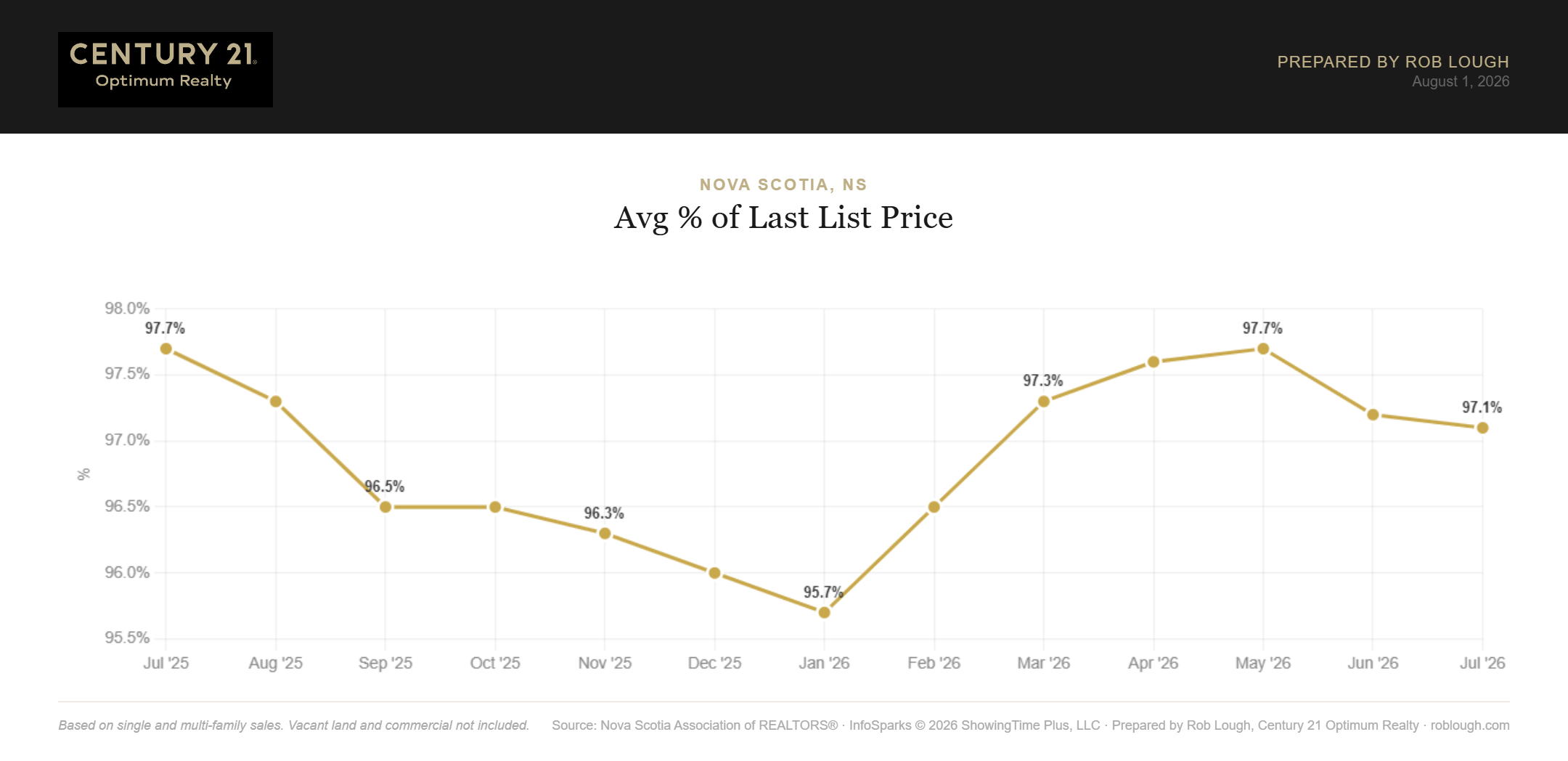
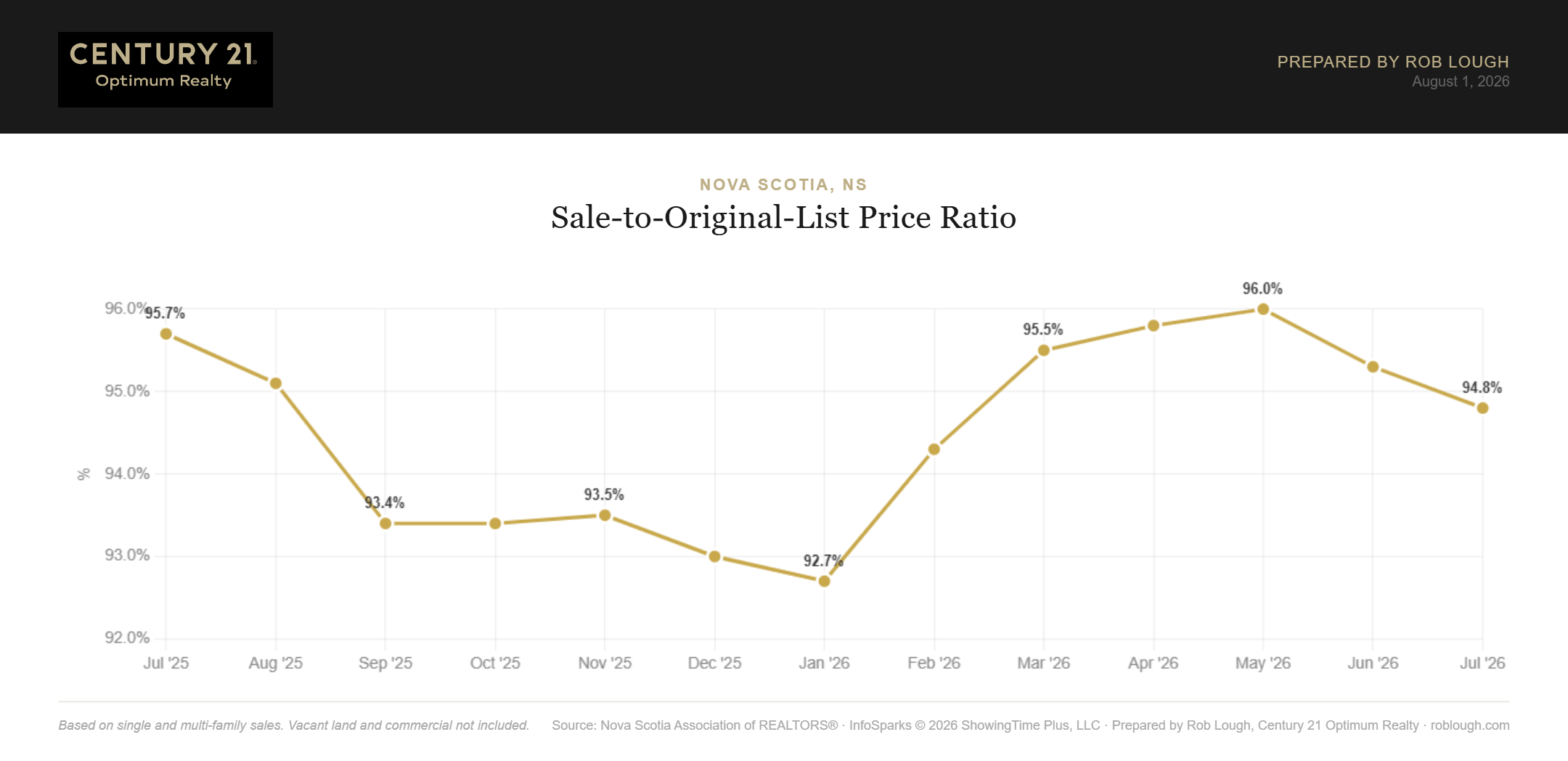
The average sold-to-ask ratio (the percentage of listing price that buyers actually pay) dropped to 95.3% in January 2026, down from 97.4% in January 2025. That 2.1 percentage point decline is the most significant year-over-year shift in the dataset and signals a meaningful transfer of negotiating power from sellers to buyers.

On a $500,000 home, the difference between 97.4% and 95.3% represents roughly $10,500 in additional negotiating room compared to a year ago. At 95.3%, buyers are securing homes approximately $23,500 below asking price on average.

The ratio peaked at 98.4% in June and July 2025, when properties were selling at or very near full list price during the summer rush. From August onward, it declined steadily and consistently: 97.7% in August, 97.2% in September, 96.5% in October, 96.4% in November and December, and finally 95.3% in January 2026, the lowest reading in the full 13-month dataset.

This is the clearest signal in the data that the balance of negotiating power has shifted toward buyers. A sold-to-ask ratio below 96% indicates meaningful room for negotiation, and the steady downward trajectory suggests the trend hasn’t fully played out yet.

What this means for sellers: Price your home realistically from the start. The market is telling you that inflated asking prices result in longer time on market and steeper eventual price reductions. Buyers have options, and they’re using them.

What this means for buyers: You have more leverage than at any point in the past year. Don’t be afraid to make offers below asking. The data supports it, and well-prepared buyers are securing homes at significant discounts to list price.


The Big Picture: What’s Driving These Trends?

Several factors are converging to shape Nova Scotia’s current market dynamics, and the year-over-year comparison highlights how much has changed in just 12 months.

Interest rates have stabilized but remain elevated. The Bank of Canada held its overnight rate at 2.25% on January 28, 2026, marking the second consecutive hold. With the prime rate at 4.45%, borrowing costs are significantly lower than their 2023 peak but still well above the sub-1% levels that fuelled the 2020 to 2022 boom. Economists expect rates to remain on hold through much of 2026 unless tariff-related disruptions or inflation surprises force the Bank’s hand. The next rate announcement is March 18, 2026.

For buyers, the stability is actually helpful. It removes the urgency to lock in before rates change, and it means mortgage pre-approval amounts should hold steady for longer. Use our mortgage calculator to model different scenarios at today’s rates.

Population growth continues to support demand. Nova Scotia has seen sustained in-migration from other provinces and international arrivals, keeping upward pressure on prices even as transaction volumes dip seasonally. This is the primary reason prices haven’t corrected despite the cooling in other metrics. For a deeper look at how these forces have shaped the market since the pandemic, see our Five Years of Nova Scotia Real Estate Market Analysis (2021 to 2025).

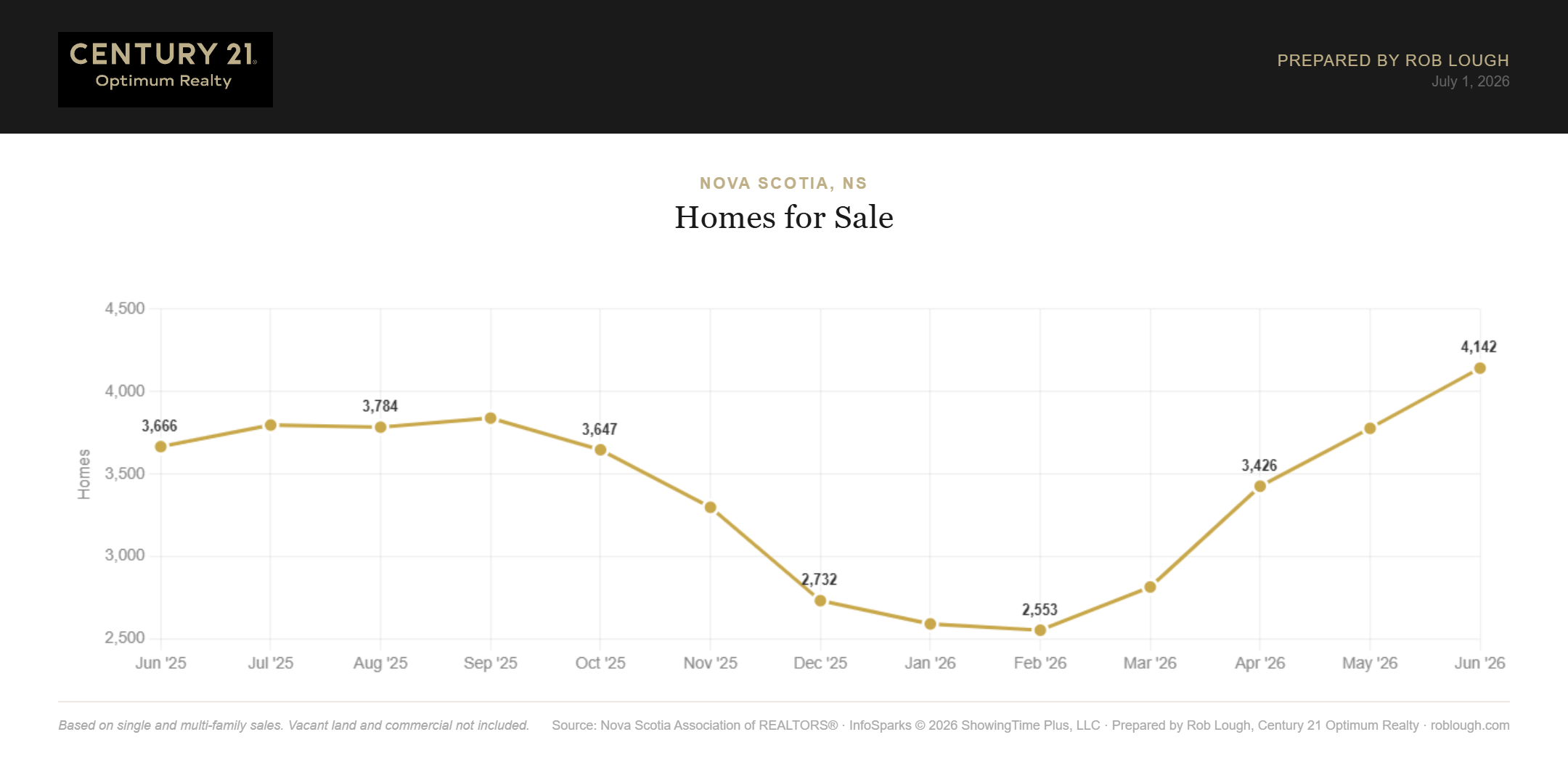
Inventory levels are rising. NSAR reported that active residential listings reached 4,168 units at the end of November 2025, the highest level for that month in over five years and 27.4% above the five-year average. More inventory means more choice for buyers, less competition per listing, and downward pressure on sold-to-ask ratios. This is a structural shift, not just a seasonal blip.

Affordability programs are helping at the margins. Programs like Nova Scotia’s 2% Down Payment Program are helping first-time buyers bridge the gap, but with average prices now above $490K, affordability remains a real challenge for many Nova Scotians.

U.S. trade policy adds economic uncertainty. The Bank of Canada cited the upcoming CUSMA review and ongoing U.S. tariff pressures as key risks to growth. GDP is projected at just 1.1% for 2026. Any deterioration in trade relations could dampen consumer confidence and slow real estate activity further.


January 2026 vs. January 2025: At a Glance

Metric January 2025 January 2026 Change
Average Sale Price $441,429 $491,129 +11.3%
Units Sold 637 543 -14.8%
Value of Solds $281.2M $266.7M -5.2%
Avg. Days on Market 56.1 64.4 +14.8%
Sold-to-Ask Ratio 97.4% 95.3% -2.1 pts
BoC Overnight Rate 3.25% 2.25% -1.00%

The numbers paint a clear picture: prices are climbing, but everything else points to a market that is gradually and meaningfully tilting in favour of buyers. Homes are taking nearly 15% longer to sell, sellers are accepting over two percentage points less than asking price compared to a year ago, unit sales have dropped by nearly 15%, and total dollar volume is down. Meanwhile, the 100-basis-point reduction in the Bank of Canada rate over the past year has improved affordability at the margins and stabilized borrowing costs, though not enough to offset the 11.3% rise in home values.


Looking Ahead: What to Expect in Spring 2026

If past years are any guide, activity should pick up through March and April as the spring market takes shape. Key indicators to watch include whether the sold-to-ask ratio stabilizes or continues to decline, whether DOM contracts as it did in 2025, and how pricing responds to the Bank of Canada’s next moves. The next rate announcement is March 18, followed by the April 29 Monetary Policy Report. For context on how the market was performing just two months ago, see our November 2025 market stats.

The wild card is trade policy. If U.S. tariff pressures escalate or the CUSMA renegotiation goes poorly, consumer confidence could weaken and the Bank of Canada may be forced to cut rates further. That would be a tailwind for real estate activity but could also signal broader economic trouble.

For now, the market is in a transitional phase. Prices are holding firm and even climbing, but the pace and competitiveness of the market have clearly shifted. It’s neither a buyer’s market nor a seller’s market in the traditional sense. It’s a market that rewards preparation, realistic pricing, and smart strategy on both sides. Whether you’re buying or selling, having the right strategy and the right Realtor matters more than ever.


Need Expert Guidance in Nova Scotia Real Estate?

📞 Contact us 🌐 optimumrealty.c21.ca


Related Resources

Uncategorized 3 February 2026

Nova Scotia’s 2% Down Payment Program

Nova Scotia’s 2% Down Payment Program: What First-Time Homebuyers Need to Know

By Rob Lough, Broker/Owner at Century 21 Optimum Realty

Saving for a down payment has become one of the biggest hurdles for renters ready to buy a home in Nova Scotia. While many qualified buyers can comfortably afford monthly mortgage payments, coming up with the traditional 5% down payment on a 500,000 home means finding 25,000 in cash—a tough ask when rental costs keep climbing and Nova Scotia home prices have risen steadily over the past several years.

The Province of Nova Scotia has launched a pilot program designed to tackle exactly this problem. The First-time Homebuyers Program allows qualified buyers to purchase with just 2% down, backed by a provincial guarantee that protects lenders and eliminates the need for traditional mortgage default insurance.

How the 2% Down Payment Works

Under standard mortgage rules, first-time buyers need at least 5% down on homes up to 500,000, and 5% on the first 500,000 plus 10% on any amount above that, up to the maximum insurable price of 570,000. For a 500,000 purchase, that’s 25,000 out of pocket.

With this new program, the same buyer would need just 10,000.

The program applies to purchase prices up to 570,000 in the Halifax Regional Municipality and East Hants, and up to 500,000 in the rest of Nova Scotia. The Province acts as guarantor for the mortgage, covering up to 90% of any shortfall if the home must be resold for less than the outstanding mortgage balance after a default.

Mortgages are delivered through participating credit unions across Nova Scotia, administered by Atlantic Central. If you want help finding suitable properties under these price caps, you can start by browsing our current listings or reviewing recent Nova Scotia market statistics to understand what’s available in your price range.

Who Qualifies for the Program

This isn’t a program for everyone—it’s targeted at buyers who are financially ready for homeownership but struggling with the upfront cash barrier.

Eligibility requirements include:

  • Must be a Nova Scotia resident and either a first-time homebuyer or someone who hasn’t owned a home in the last four years.

  • Combined household income of 200,000 or less.

  • Must pass the CMHC mortgage stress test to demonstrate ability to carry the mortgage.

  • Minimum credit score of 630.

  • Must be a Canadian citizen, permanent resident, or immigrant with a sponsorship letter from a Nova Scotia provincial immigration program.

  • Common-law partners can apply together if they’ve lived together at least 12 months, or are newlyweds.

The income cap and stress test requirement ensure that buyers can handle the monthly payments—this program tackles the savings gap, not long-term affordability. If you’re unsure whether you meet these criteria, a conversation with our team is a good first step—contact us anytime.

Financing Mechanics: No CMHC Insurance Required

One of the unique features of this program is that no separate mortgage default insurance is required, even though the down payment is well below the standard 20% threshold.

Normally, any mortgage with less than 20% down must carry CMHC insurance (or insurance from another approved provider), with the premium added to the mortgage amount or paid upfront. That premium can add thousands of dollars to the total cost.

Under the First-time Homebuyers Program, the Province’s guarantee effectively replaces that insurance layer. If a borrower defaults and the home sells for less than the mortgage balance, the Province covers 90% of the lender’s loss.

Key financing details:

  • Down payment: 2% from the buyer.

  • Interest rate capped at prime plus 2% maximum.

  • Administered through participating credit unions via Atlantic Central.

This structure keeps costs down for buyers while protecting lenders from excessive risk. If you’d like guidance on how this compares to the traditional insured mortgage route, our buyer services can walk you through both options, and our article on OSFI’s 2026 mortgage changes provides additional context on the lending environment.

Real-World Example: Cash Needed to Close

Let’s compare what it takes to buy a 500,000 home under traditional financing versus this new program.

Traditional 5% Down:

  • Down payment required: 25,000

  • CMHC insurance premium (approximate): 19,000

  • Total mortgage amount: 494,000

  • Cash needed at closing: 25,000 plus legal fees and other closing costs

2% Down Payment Program:

  • Down payment required: 10,000

  • No mortgage insurance premium

  • Total mortgage amount: 490,000

  • Cash needed at closing: 10,000 plus legal fees and other closing costs

For a qualified buyer, that’s 15,000 less cash required upfront—potentially shaving months or years off the time it takes to save enough to buy your first home. You can also compare these numbers with broader Nova Scotia housing market statistics for 2025 to see how prices and affordability have been shifting.

Why the Province Created This Program

The First-time Homebuyers Program is part of Nova Scotia’s broader Our Homes, Action for Housing plan, which the government says has exceeded all targets in its first two years and created conditions for more than 68,000 new housing units.

Housing starts are up 36% over the past two years, but the Province recognized that building more homes is only part of the solution. Many renters are “struggling to save the down payment to buy a new home,” according to the program announcement, even when they’re otherwise financially ready.

Atlantic Central, the organization administering the program on behalf of participating credit unions, describes the target group as people who are “capable, responsible and ready for homeownership, but who need the right support to take that next step.” If you want to understand how this fits into broader market trends, you can also explore our latest Nova Scotia market analyses and Nova Scotia market statistics for January 2026.

For a national or policy-level lens, you may also find it helpful to read our article on Canada’s government housing strategy and what it means for Nova Scotia.

Is This Program Right for You?

The 2% down payment option makes homeownership more accessible, but it’s not the right fit for every buyer. Here are a few things to consider:

This program works well if:

  • You have stable income and good credit but limited savings.

  • You’re spending a significant portion of your income on rent and struggling to save.

  • You can comfortably pass the mortgage stress test.

  • You’re planning to stay in Nova Scotia long-term.

You may want to explore other options if:

  • You’re close to saving a traditional 5% down payment.

  • Your income exceeds 200,000 as a household.

  • You don’t meet the residency or immigration requirements.

  • You’re concerned about carrying a higher mortgage balance relative to your home’s value.

It’s also worth noting that a smaller down payment means a larger mortgage, which translates to higher monthly payments and more interest paid over the life of the loan. Make sure you’re comfortable with the long-term commitment, and consider speaking with both your lender and a local REALTOR®—you can start with a no-obligation conversation with our team at C21 Optimum.

How to Apply

The First-time Homebuyers Program is delivered exclusively through participating credit unions in Nova Scotia. If you’re interested in applying, your first step is to connect with a participating credit union to discuss your eligibility and begin the pre-approval process.

As with any mortgage pre-approval, you’ll need to provide documentation of your income, employment, assets, debts, and credit history. The credit union will assess whether you meet the program’s requirements and can pass the stress test.

If you’d like support with the home search, offer strategy, and timelines that align with your financing approval, explore our buying resources and tips or reach out directly to get started with Century 21 Optimum Realty. You can also review our longer-term Nova Scotia real estate market analysis from 2021–2025 to see how this program fits into the bigger picture.

Frequently Asked Questions

Is Nova Scotia’s 2% down payment program worth it?
For many first-time buyers who are stuck renting because they can’t save 5% fast enough, this program can be worthwhile because it cuts the upfront cash needed almost in half while still giving access to standard mortgage rates through participating credit unions. The main trade-offs are that you must meet the program’s income, price cap, and credit union requirements, and you should be comfortable with homeownership costs right away rather than waiting longer to build a larger down payment cushion.

Does the 2% down payment program replace CMHC?
The program doesn’t replace CMHC as an institution, but in practice the Province’s guarantee fills the same risk‑management role that traditional mortgage default insurance would for these specific loans. Instead of paying a separate CMHC (or private insurer) premium on your mortgage, the lender relies on the provincial guarantee, which covers 90% of any shortfall if a borrower defaults and the home sells for less than the mortgage balance.

Is this the same as the Down Payment Assistance Program (DPAP)?
No, the new 2% down First-time Homebuyers Program is different from the existing Down Payment Assistance Program (DPAP). DPAP provides an interest‑free loan to help buyers top up their down payment to the usual minimum (for example 5%) and that loan is repaid separately over 10 years, while the 2% program changes the required minimum down payment itself and relies on a provincial guarantee rather than a separate down payment loan.

If you’d like, I can now tighten meta title/description and suggest specific H2/H3 refinements to align with “Nova Scotia 2% down payment program” and “First-time Homebuyers Program Nova Scotia” as your primary keywords.

Uncategorized 11 January 2026

Nova Scotia Real Estate Market Statistics 2025

Nova Scotia Real Estate Market Statistics 2025: A Year of Transition

Nova Scotia’s 2025 resale market told a story of evolution. Rising prices met strong summer activity before cooling into winter, with average values still finishing the year above January levels. Homes continued to sell close to asking price throughout the year, though buyers gained modest negotiating room as days on market lengthened heading into the final quarter.

The provincial market demonstrated resilience despite seasonal shifts, maintaining relatively strong fundamentals even as the frenetic pace of previous years gave way to more measured conditions.

Understanding Nova Scotia’s 2025 Price Journey

Nova Scotia average home sale price 2025 chart showing 6.9% annual increase from-$441K-in-January-to-$471K-in-December-with-summer-peak-at-$493K

Nova Scotia average home sale price 2025 chart showing 6.9% annual increase from $441K in January to $471K in December with summer peak at $493K

Average sale prices in Nova Scotia started the year near the mid-$440s in January. Prices climbed steadily through spring and summer, reaching their peak in the high-$480s by midsummer. The market then experienced a gentle correction through fall, with prices settling into the low- to mid-$470s by December.

Understanding Nova Scotia home values requires looking beyond simple averages to seasonal patterns and broader economic forces.

This trajectory delivered sellers a modest year-over-year gain of approximately 6.9%, even with the softening conditions that characterized the final months. The price curve reflected typical seasonal patterns amplified by broader economic factors, including interest rate adjustments and shifting buyer sentiment.

For context, homes that sold for $441,111 in January commanded around $471,107 by December—a meaningful appreciation that still favored sellers while remaining more sustainable than the double-digit gains seen in earlier boom years.

Sales Activity: Summer Peak to Winter Valley

Nova Scotia homes sold by month 2025 ranging from 517 units in February to peak of 1,390 units in July before declining to 718 in December

Nova Scotia homes sold by month 2025 ranging from 517 units in February to peak of 1,390 units in July before declining to 718 in December

Transaction volumes painted a clear seasonal picture. Unit sales began around 636 homes in January, climbed steadily through spring, and reached their zenith near 1,390 properties in July. From that midsummer peak, activity declined through each subsequent month, finishing the year at 718 sales in December.

This pattern mirrors traditional Nova Scotia real estate seasonality, where spring and summer months dominate activity as families time moves around school schedules and favorable weather conditions. However, the steeper decline in fall 2025 suggested broader market factors at play beyond typical seasonal trends.

The July peak represented more than double the January volume, underscoring how concentrated buying activity becomes during prime selling season. Sellers who listed during shoulder months faced notably fewer competing buyers, though they also encountered less competition from other listings.

Total Dollar Volume: The Market’s Pulse

Nova Scotia real estate total sales value by month 2025 showing peak of $683 million in July and seasonal decline to $338 million by December

Nova Scotia real estate total sales value by month 2025 showing peak of $683 million in July and seasonal decline to $338 million by December

The total value of sales transactions closely tracked unit volumes, starting near $280 million in January and surging to approximately $683 million at the July peak. By December, total sales value had retreated to roughly $338 million.

This metric serves as perhaps the clearest barometer of overall market health. The summer surge demonstrated robust demand and pricing power, while the winter pullback reflected both fewer transactions and modest price softening. Still, December’s total exceeded January’s, indicating that even as activity slowed, the market maintained reasonable momentum.

For local economies across Nova Scotia, these transaction values represent significant economic activity. The summer months generated roughly $3.5 billion in total sales value, supporting real estate professionals, legal services, home inspectors, tradespeople, and retail sectors serving new homeowners.

Days on Market: Measuring Buyer Urgency

Nova Scotia 2025 average days on market chart ranging from 39 days in July peak season to 56 days in winter months

Nova Scotia 2025 average days on market chart ranging from 39 days in July peak season to 56 days in winter months

Properties spent an average of 56 days on market in January, with this timeline tightening to just 39 days by July before extending back to 56 days in December. This metric offers valuable insight into competitive pressure and buyer urgency.

The summer compression to under 40 days reflected peak season intensity, where well-priced properties often attracted multiple showing requests within days of listing. The return to mid-50s by year-end suggested buyers had regained some negotiating position and could take more time evaluating options without fear of immediate competition.

For sellers, these figures emphasize the importance of strategic timing and realistic pricing. Properties that linger beyond the average days on market often require price adjustments or may face increasing buyer skepticism about potential issues. For buyers, understanding these timelines helps set expectations around decision-making speed and offer competitiveness.

Sale-to-List Ratio: Pricing Precision and Negotiation Room

Nova Scotia 2025 sale-to-list price ratio chart showing homes consistently sold for 96-99% of asking price throughout the year

Nova Scotia 2025 sale-to-list price ratio chart showing homes consistently sold for 96-99% of asking price throughout the year

Throughout 2025, homes consistently sold for 96-99% of their asking prices, with ratios ranging from approximately 96.3% to 99%. This metric remained remarkably stable across all twelve months, indicating that sellers generally priced properties appropriately and buyers continued paying close to asking prices.

The slight downward drift from around 97.4% in summer to 96.3% by year-end suggests marginal increases in buyer negotiating power. While the difference seems modest, even a one to two percentage point shift on a $475,000 home represents $4,750 to $9,500 in potential savings.

These high sale-to-list ratios also indicate relatively few bidding wars compared to earlier pandemic-era conditions. When multiple offers drive prices above asking, ratios exceed 100%. The absence of such conditions in 2025 points to a more balanced market where strategic pricing matters more than artificial underpricing to generate competition.

Price and Units: The Relationship Between Volume and Value

Nova Scotia 2025 home prices and sales units chart showing average prices from $425K to $495K with peak sales of 1,390 units in July

Nova Scotia 2025 home prices and sales units chart showing average prices from $425K to $495K with peak sales of 1,390 units in July

This dual-axis chart illustrates how pricing trends and transaction volumes intersected throughout 2025. The top portion shows average prices climbing from the low-$440s to nearly $500,000 at peak before settling back to the low-$470s. The bottom section displays unit volumes following their characteristic seasonal arc.

Notably, prices continued rising even as volumes began declining after July, demonstrating that motivated sellers maintained pricing discipline rather than chasing buyers with discounts. This pattern suggests underlying strength in the market despite cooling activity.

By December, the combination of moderate prices and reduced volume created opportunities for patient buyers willing to navigate winter conditions. Sellers still achieved reasonable prices, but faced smaller buyer pools and slightly longer marketing times.

What Buyers Should Know

The 2025 market offered more breathing room than recent years. With days on market extending and sale-to-list ratios showing modest softening, buyers regained some negotiating position. Properties no longer required split-second decisions, and conditional offers became more viable.

Spring and summer remained intensely competitive, with July representing peak activity and minimal inventory. Buyers who could tolerate shoulder seasons—particularly late fall and winter—faced less competition and gained stronger negotiating positions.

The high sale-to-list ratios throughout the year emphasized the importance of offering reasonably close to asking prices on well-priced properties. Lowball offers rarely succeeded, even in slower months, as sellers generally understood their properties’ market value.

What Sellers Should Know

Strategic timing and realistic pricing drove 2025 success. Properties listed during spring and early summer attracted maximum buyer attention, typically selling within 40-50 days at or near asking price. Fall and winter listings required more patience but still achieved reasonable prices.

The 6.9% average appreciation rewarded homeowners who had purchased in previous years while remaining sustainable enough to attract qualified buyers. Sellers who overpriced—expecting earlier boom-era returns—often found themselves reducing prices after extended market time.

Understanding days on market trends proved crucial. Properties that sold within the 40-60 day window typically achieved strong prices. Those exceeding this timeframe often signaled pricing issues or property-specific concerns requiring attention.

Regional Market Variations Across Nova Scotia

While provincial trends provide a useful overview, Nova Scotia’s real estate market demonstrates significant regional variation. Understanding these local differences helps buyers and sellers make more informed decisions based on their specific geographic area.

Halifax-Dartmouth: The Urban Hub

Halifax-Dartmouth Nova Scotia 2025 real estate chart showing average prices $585K-$615K with peak sales of 680 units in July

Halifax-Dartmouth Nova Scotia 2025 real estate chart showing average prices $585K-$615K with peak sales of 680 units in July

Halifax-Dartmouth maintained its position as Nova Scotia’s highest-priced market, with average sale prices ranging from the mid-$580s to low-$610s throughout 2025. Transaction volumes peaked around 680 units in July before declining to approximately 330 units by December. The region’s relatively stable pricing reflects strong employment fundamentals and sustained demand from both local upgraders and newcomers to the province.

Annapolis Valley: Affordable Appeal

Annapolis Valley Nova Scotia 2025 real estate chart showing affordable average prices $360K-$420K with peak sales of 215 units in July

Annapolis Valley Nova Scotia 2025 real estate chart showing affordable average prices $360K-$420K with peak sales of 215 units in July

The Annapolis Valley offered compelling value, with average prices hovering between the mid-$350s and low-$420s. Summer months saw peak activity around 215 units sold, demonstrating the region’s growing appeal to buyers seeking rural lifestyles within reasonable commuting distance to larger centers. The valley’s agricultural heritage combined with its scenic beauty continues attracting retirees and remote workers.

South Shore: Coastal Premium

South Shore Nova Scotia 2025 coastal real estate chart showing prices $350K-$540K with peak sales of 125 units during summer months

South Shore Nova Scotia 2025 coastal real estate chart showing prices $350K-$540K with peak sales of 125 units during summer months

South Shore properties commanded prices between approximately $350,000 and $540,000, reflecting the premium associated with coastal locations. Peak summer activity reached around 125 units, with the region showing more pronounced seasonal patterns than urban areas. The South Shore’s combination of ocean access, tourism infrastructure, and quality of life makes it particularly attractive to seasonal residents and retirees.

Cape Breton: Value Island

Cape Breton Nova Scotia 2025 most affordable real estate market chart showing prices $210K-$285K with peak sales of 95 units in summer

Cape Breton Nova Scotia 2025 most affordable real estate market chart showing prices $210K-$285K with peak sales of 95 units in summer

Cape Breton remained Nova Scotia’s most affordable region, with average prices ranging from roughly $210,000 to $285,000. Despite lower price points, the region demonstrated healthy transaction volumes peaking near 95 units during summer months. Cape Breton’s dramatic landscapes, Celtic culture, and exceptional affordability continue drawing value-conscious buyers and investors.

Northern Region: Steady Demand

Northern Region Nova Scotia 2025 real estate chart including Truro area showing prices $265K-$370K with peak sales of 180 units in July

Northern Region Nova Scotia 2025 real estate chart including Truro area showing prices $265K-$370K with peak sales of 180 units in July

The Northern Region, encompassing areas like Truro and surrounding communities, saw prices between approximately $265,000 and $370,000. Summer peak activity reached around 180 units, reflecting the region’s role as a service hub for central Nova Scotia. The area’s strategic location at the crossroads of major highways supports consistent demand.

Highland Region: Rural Retreat

Highland Region Nova Scotia 2025 rural real estate chart showing prices $220K-$375K with peak sales of 55 units in summer months

Highland Region Nova Scotia 2025 rural real estate chart showing prices $220K-$375K with peak sales of 55 units in summer months

The Highland Region posted prices ranging from roughly $220,000 to $375,000, with summer transaction volumes reaching around 55 units. This smaller market serves buyers seeking rural properties, hunting camps, and recreational land. The region’s lower volumes mean individual transactions can have more pronounced impacts on monthly statistics.

Looking Ahead to 2026

Nova Scotia’s 2025 market demonstrated maturation from the explosive growth of earlier years toward more sustainable patterns. Prices maintained upward trajectory while competition levels normalized, creating a more balanced environment that serves both buyers and sellers reasonably well.

The seasonal patterns that defined 2025 will likely persist into 2026, with spring and summer commanding premium activity levels. However, the continued moderation of sale-to-list ratios and stabilizing days on market suggests that extreme seller’s market conditions have given way to more neutral territory.

For buyers, this evolution means opportunity—particularly for those who can be flexible on timing and remain patient during negotiations. For sellers, it underscores the importance of working with experienced real estate professionals who understand local market nuances and can price properties competitively from the outset.

Whether you’re planning to buy or sell in 2026, understanding these 2025 trends provides valuable context for making informed decisions in Nova Scotia’s evolving real estate landscape.


Thinking about buying or selling in Nova Scotia? Contact Century 21 Optimum Realty for expert guidance on navigating Nova Scotia’s real estate market. We have Agents from the South Shore to Cape Breton!

Related Resources

Uncategorized 16 September 2025

Canada’s Government Housing Strategy

Canada’s Government Housing Strategy: Lessons from International Success Stories and What It Means for Nova Scotia

Canada’s housing crisis has reached a tipping point, with affordability challenges affecting millions of families from coast to coast. In response, the federal government is taking unprecedented steps by directly entering the housing development market through initiatives like the Canada Public Land Bank. This strategic shift draws inspiration from successful government housing programs worldwide, but what does it mean for Nova Scotians, particularly residents in Halifax Regional Municipality?

Learning from Global Success Stories

Singapore’s Housing Development Board: A Model of Excellence

Singapore’s public housing program stands as one of the world’s most successful examples of government-led housing development. Through the Housing Development Board (HDB), the city-state has achieved remarkable results:

  • 80% of residents live in government-built housing
  • 90% homeownership rate through subsidized purchase programs
  • Integrated communities with mixed-income developments preventing social segregation
  • Strategic land use maximizing limited space through high-density, well-planned developments

The key to Singapore’s success lies in long-term planning, substantial government investment, and policies that treat housing as both a social necessity and economic asset.

Vienna’s Social Housing Revolution

Austria’s capital city offers another compelling model, where 60% of residents live in social housing that’s available to middle-class families, not just low-income households. Vienna’s approach includes:

  • High-quality design standards that eliminate stigma associated with public housing
  • Mixed-income communities integrating various economic backgrounds
  • Sustainable funding through a combination of taxes, fees, and long-term financing
  • Tenant protections ensuring affordability across generations

The Netherlands: Innovative Public-Private Partnerships

Dutch housing associations manage approximately 2.3 million social housing units, serving about 30% of all households. Their model emphasizes:

  • Non-profit management reducing profit-driven rent increases
  • Energy efficiency standards lowering long-term costs for residents
  • Community integration avoiding concentration of social problems
  • Flexible allocation serving both temporary and permanent housing needs

Canada’s New Direction: The Public Land Bank Initiative

The federal government’s Canada Public Land Bank represents a significant policy shift, moving beyond traditional subsidies to direct development involvement. Key components include:

  • Federal land utilization converting underused government properties into residential developments
  • Accelerated approval processes cutting through bureaucratic delays
  • Affordable housing targets ensuring developments serve various income levels
  • Municipal partnerships leveraging local expertise and existing infrastructure

Shannon Park: A Case Study for Nova Scotia

The Shannon Park development in Dartmouth exemplifies this new approach. This former military base represents a massive opportunity:

  • 50+ hectares of prime waterfront land
  • Strategic location with existing infrastructure and transit potential
  • Mixed-use potential combining residential, commercial, and recreational spaces
  • Community integration opportunities with established Dartmouth neighborhoods

Potential Benefits for Nova Scotia

Addressing the Housing Supply Crisis

Nova Scotia faces acute housing shortages, with rental vacancy rates below 1% in Halifax and limited affordable options province-wide. Government-led development could:

  • Increase housing supply rapidly through large-scale projects
  • Stabilize rental markets by introducing non-profit and cost-controlled units
  • Create construction jobs boosting the local economy
  • Attract and retain talent essential for economic growth

Improving Affordability Through Innovation

Following international best practices, government involvement could drive down costs through:

  • Elimination of land speculation using public land strategically
  • Bulk purchasing power reducing construction material costs
  • Long-term financing avoiding profit margins typical in private development
  • Integrated planning reducing infrastructure and servicing costs

Building Sustainable Communities

Well-planned government housing developments could address broader urban planning goals:

  • Transit-oriented development reducing car dependency and emissions
  • Green building standards lowering environmental impact and utility costs
  • Community amenities including parks, schools, and healthcare facilities
  • Economic diversity preventing gentrification and displacement

Potential Challenges and Risks

Funding and Implementation Hurdles

International experience reveals common pitfalls that Nova Scotia must navigate:

Insufficient Long-term Funding: Projects in countries like Brazil and parts of the United States have suffered from inconsistent government investment, leading to deteriorating conditions and social stigma.

Poor Project Management: Without proper oversight and quality control, government housing can become associated with substandard living conditions, undermining public support.

Political Volatility: Changes in government can disrupt long-term housing strategies, as seen in various countries where successful programs were abandoned due to political shifts.

Integration and Planning Concerns

Municipal Coordination: Success requires seamless integration with existing city services, transit systems, and neighborhood planning. Poor coordination can create isolated developments that fail to serve residents effectively.

Infrastructure Strain: Large developments can overwhelm existing municipal services if not properly planned and funded, creating tensions between different levels of government.

Community Resistance: Without meaningful public consultation and transparent planning processes, developments may face local opposition that delays or derails projects.

Long-term Maintenance and Management

Aging Infrastructure: Many international examples show that initial success can erode without sustained investment in maintenance and upgrades.

Management Capacity: Government agencies may lack the expertise or resources for effective long-term property management, potentially leading to declining conditions.

Evolving Needs: Housing developments must adapt to changing demographics, economic conditions, and community needs over decades.

What Nova Scotians Should Expect

Timeline and Scale

Based on government announcements and international precedents, Nova Scotians can expect:

  • Initial projects beginning within 2-3 years on sites like Shannon Park
  • Hundreds of units in first-phase developments
  • Mixed-income housing serving various economic backgrounds
  • Phased development allowing for adjustments based on early results

Quality and Design Standards

Learning from international success stories, developments should feature:

  • High-quality construction avoiding the stigma of “cheap” public housing
  • Sustainable design incorporating energy efficiency and environmental considerations
  • Community spaces including parks, community centers, and retail areas
  • Accessibility features serving residents with diverse needs and abilities

Integration with Existing Communities

Successful implementation will require:

  • Transportation connections linking new developments with employment centers and services
  • School capacity ensuring adequate educational facilities for growing populations
  • Healthcare access maintaining reasonable proximity to medical services
  • Commercial services providing shopping, banking, and other essential amenities

Recommendations for Success in Nova Scotia

Strong Provincial-Federal-Municipal Partnerships

Success requires unprecedented cooperation between all levels of government, with clear agreements on:

  • Funding responsibilities and long-term commitments
  • Regulatory coordination streamlining approval processes
  • Service provision ensuring adequate municipal capacity
  • Performance monitoring tracking outcomes and making necessary adjustments

Community Engagement and Transparency

Following successful international models, development processes should include:

  • Meaningful public consultation from planning through implementation
  • Regular community updates maintaining transparency and accountability
  • Local hiring preferences ensuring economic benefits reach Nova Scotian workers
  • Ongoing resident feedback mechanisms for continuous improvement

Learning from Global Best Practices

Nova Scotia should actively study and adapt successful elements from:

  • Singapore’s integrated planning approach
  • Vienna’s quality standards and mixed-income policies
  • Netherlands’ management structures and sustainability focus
  • Avoiding pitfalls observed in less successful international examples

The Bottom Line for Nova Scotia

Canada’s entry into government-led housing development represents both significant opportunity and considerable risk for Nova Scotia. Done well, following proven international models, these initiatives could:

  • Dramatically improve housing affordability for working families
  • Create sustainable, integrated communities enhancing quality of life
  • Stimulate economic growth through construction activity and population retention
  • Position Nova Scotia as a leader in innovative housing policy

However, success is not guaranteed. Poor planning, insufficient funding, or inadequate community engagement could result in substandard developments that become long-term burdens rather than assets.

The key lies in learning from both the successes and failures of international precedents while adapting solutions to Nova Scotia’s unique geographic, economic, and cultural context. With proper implementation, government-led housing development could transform Nova Scotia’s housing landscape for the better, providing affordable homes and building stronger communities for generations to come.

As these initiatives move forward, Nova Scotians should stay engaged in the planning process, holding governments accountable for transparency, quality, and long-term sustainability. The decisions made today will shape the province’s housing landscape for decades to come.

Uncategorized 23 July 2025

How Canada’s Soaring Tax Burden is Crippling Homeownership Dreams

How Canada’s Soaring Tax Burden is Crippling Homeownership Dreams — Especially in Nova Scotia

Canadian families now spend 42.3% of their income on taxes—more than they spend on housing, food, and clothing combined. This growing tax burden is making homeownership harder to achieve, hitting first-time buyers the hardest and intensifying housing affordability challenges across Canada, including Nova Scotia’s fast-rising real estate market.


Taxes Now Cost More Than Life’s Essentials

According to the Fraser Institute’s 2025 Canadian Consumer Tax Index, the average Canadian household now spends more on taxes than on their most basic needs.

Here’s the breakdown:

  • 42.3% of income goes toward taxes (federal, provincial, and municipal)

  • 35.5% goes toward housing, food, and clothing—combined

  • The average tax bill for a Canadian family earning $114,289 is $48,306

Since 1961, tax growth has skyrocketed:

  • Taxes: +2,784%

  • Housing: +2,129%

  • Food: +927%

  • Clothing: +460%

  • Inflation (CPI): +925%

These numbers tell a clear story: Canadian families are paying more than ever—often at the expense of their ability to buy a home.


How Canada Compares Globally

When it comes to tax burdens, Canada is near the top of the list.

Country Tax Burden (%)
Belgium 44.8%
Canada 42.3%
France 41.0%
Germany 40.9%
OECD Average 29.5%
United States ~25%
Switzerland 17.1%
South Korea 18.3%
New Zealand 18.6%
Chile 4.4%

Compared to other developed countries, Canadian families:

  • Pay 12.8 percentage points more than the OECD average

  • Face one of the highest tax burdens in the world

  • Have significantly less after-tax income to put toward housing


The Double Squeeze: High Taxes + High Housing Costs

While high taxes are eating up income, housing prices in many Canadian markets continue to climb. This creates a painful double hit to affordability.

1. Shrinking Buying Power

With nearly half of household income going to taxes, there’s less left for down payments, mortgage payments, and upkeep. Even as interest rates stabilize, homebuyers aren’t catching a break—because taxes are taking the first cut.

2. Development Taxes Drive Up Home Prices

In Ontario, taxes now make up 36% of the price of a newly built home. That’s up from 31% just three years ago.

For a home priced at $1,070,000, taxes and fees can total $381,000—including:

  • Income tax on earnings used for the down payment

  • HST/GST

  • Land transfer taxes

  • Development charges and municipal fees

These costs get passed to buyers, pushing prices even higher.

3. Supply Constraints from High Development Costs

High development charges reduce builder margins and stall new construction—just when we need more housing supply to meet demand. Less supply = higher prices.


Nova Scotia: Affordable No More?

Record-High Prices in 2025

Nova Scotia’s housing market continues to heat up:

  • Provincial average (May 2025): $493,136 (+6.1% YoY)

  • Halifax average: $626,156 (+5% YoY)

  • Inventory: Just 2.3 months, signaling a strong seller’s market

Affordability Concerns Are Mounting

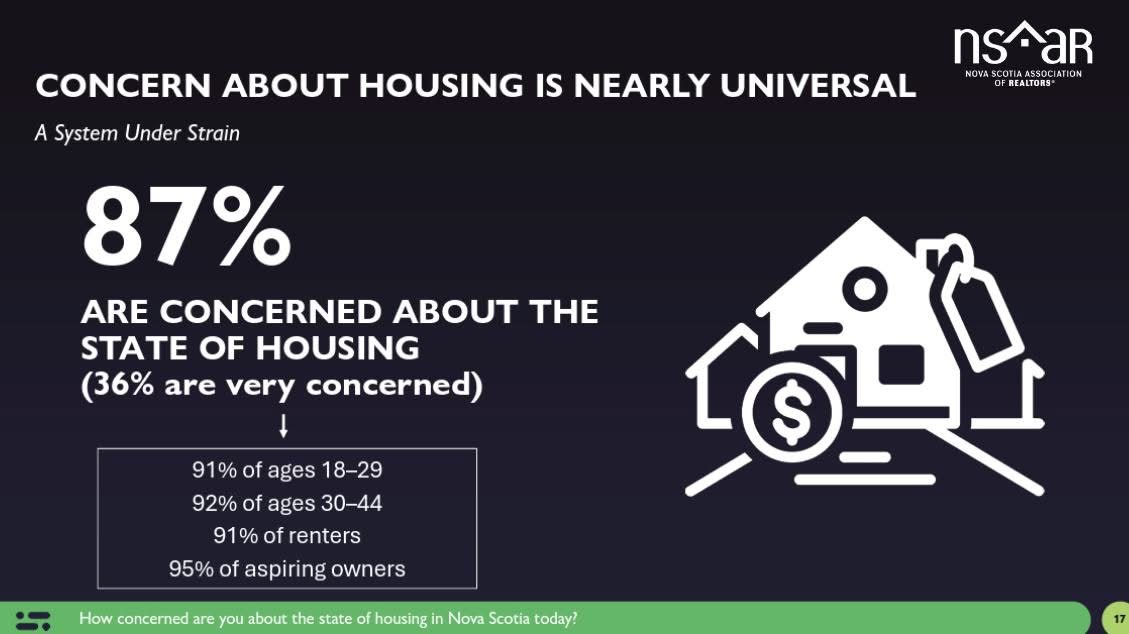
  • 66% of Nova Scotians report housing affordability issues

  • 41% say they are “very concerned” about future housing costs

  • Halifax’s homeless population reached 3,295 in March 2025

Even traditionally affordable markets are becoming out of reach.


Government Response: Too Little, Too Late?

Nova Scotia has introduced some measures to help:

  • HST cut: From 15% to 14% starting April 1, 2025

  • Increased personal tax credits

  • Non-resident deed transfer tax doubled to 10%

But these may be overshadowed by:

  • A projected $898-million deficit for 2025-26

  • A rising debt-to-GDP ratio, expected to hit 40.9% by 2028

Without deeper reform, meaningful relief remains unlikely.


Who’s Feeling the Squeeze?

First-Time Homebuyers

They face the toughest road:

  • Taxes take a huge chunk out of savings

  • Lower after-tax income reduces mortgage eligibility

  • A $450,000 home can carry an effective tax burden of 45.2%

Move-Up Buyers

Existing homeowners trying to upgrade face:

  • Land transfer taxes

  • Legal fees

  • Capital gains tax (if applicable)

  • Higher annual property taxes

Investors

Large landlords and REITs are under pressure from:

  • Increased taxes on non-resident buyers

  • Speculation taxes in some provinces

  • Reduced tax breaks for real estate investments


Regional Trends & the National Picture

  • Ontario and BC: Most unaffordable; sales expected to lag behind

  • Atlantic Canada: Strong price growth but still more affordable than Toronto or Vancouver

  • Nova Scotia home prices: Still 65% above pre-pandemic levels

  • Rent: Halifax saw a 4.8% YoY increase in Dec 2024


What Needs to Change: Policy Solutions

✅ Tax Reform

  • Reduce development charges

  • Expand personal tax exemptions

  • Simplify housing-related taxes

  • Study tax-efficient countries (e.g., Switzerland, Korea)

✅ Increase Housing Supply

  • Invest in infrastructure to support growth

  • Reform zoning to allow more density

  • Streamline development approval processes

✅ Stabilize the Market

  • Support first-time buyers with enhanced programs

  • Target speculative and non-resident buyers

  • Incentivize purpose-built rental developments


What’s Next for 2025 and Beyond?

Short-Term (2025–2026)

  • MLS® sales projected to increase slightly

  • Housing starts expected to slow (especially for condos)

  • Modest interest rate cuts could offer some relief

Medium-Term (2026–2028)

  • Canada needs 430,000–480,000 new homes annually to restore affordability

  • Rising government debt may restrict future tax cuts

  • Climate adaptation costs will add pressure to housing costs

Long-Term Outlook

  • Federal role: Income tax reform + infrastructure investment

  • Provinces: Zoning reform + streamlined development

  • Municipalities: Smarter land use and fairer development charges

  • Private sector: Innovative construction and financing models


Final Thoughts: Taxes Are the Hidden Housing Crisis

The dream of homeownership in Canada is slipping out of reach—not just because of high prices or mortgage rates, but because of taxes that quietly erode buying power.

When families spend more on taxes than food, housing, and clothing combined, it’s time to rethink our priorities.
Even in Nova Scotia—once a refuge of affordability—families are being squeezed. Home prices continue to climb, and housing insecurity is rising.

The key takeaway? If you’re buying or selling in 2025, tax planning is as important as your mortgage rate. Understanding the full cost of homeownership—including the layers of tax—has never been more critical.


Need Help Navigating Nova Scotia’s Real Estate Market?

Whether you’re a first-time buyer, investor, or selling your home, it’s never been more important to understand how tax policy and affordability trends impact your decisions.

📞 Reach out to Keith Kenny, Century 21 Optimum Realty — your trusted local expert in Halifax and beyond.


Keywords optimized for SEO: Canadian tax burden, Nova Scotia real estate 2025, housing affordability crisis, homeownership in Canada, Halifax housing prices, taxes on Canadian homebuyers, development charges Canada, first-time buyer challenges, real estate trends Nova Scotia.

Uncategorized 18 July 2025

What to Do When Your Well Runs Dry in Nova Scotia: A Step-by-Step Guide


What to Do When Your Well Runs Dry in Nova Scotia: A Step-by-Step Guide

If your well has suddenly stopped producing water, it can be stressful, but you’re not alone. In Nova Scotia, roughly 40% to 46% of households rely on private wells for their drinking water. When one runs dry, fast action and informed decisions are key. This guide walks you through what to do immediately, what professional options are available, and how to prepare for the future.


🚩 Early Warning Signs of a Dry Well

Watch for these common indicators that your well may be running dry:

  • Faucets sputtering or releasing air

  • Sudden drop in household water pressure

  • Cloudy, muddy, or strange-tasting water

  • Visible sediment in the water

Recognizing these signs early can help you prevent damage to your system and secure a backup water source quickly.


🚨 What to Do Immediately

1. Turn Off the Pump

If your well isn’t producing water, turn off the pump right away. Running it dry can lead to expensive damage.

2. Conserve What’s Left

If any water remains in your system, use it only for essentials like drinking, cooking, and basic hygiene.

3. Secure a Safe Water Supply

Arrange for temporary drinking water through:

  • Bottled water from retailers

  • Bulk delivery from certified water haulers

  • Neighbours with municipal supply (with sanitized containers)

  • Municipal water stations (if accessible)

4. Check for Other Issues

Sometimes what seems like a dry well is actually:

  • A pump malfunction

  • Electrical issues

  • Plumbing leaks

Have a licensed professional confirm the cause before proceeding.


❌ What Not to Do

  • Don’t pour water into your well from external sources. This can contaminate your aquifer and damage your well permanently.


🔧 Professional Fixes: Your Options

If your well is confirmed dry, here are several solutions to consider:

✔️ Lower the Pump

If the water table has dropped but not disappeared, lowering your pump might restore access to water.

✔️ Deepen the Well

Increasing the depth of the well can improve yield—but may cost as much as drilling a new one.

✔️ Hydrofracturing (Hydrofracking)

This method uses pressurized water to open new cracks in bedrock, potentially increasing water flow. It has proven effective in many parts of Nova Scotia.

✔️ Well Rehabilitation

For wells older than 20–30 years, mineral buildup and sediment may be reducing output. Professional cleaning could bring it back to life.


🌧️ Let Nature Refill: A Waiting Strategy

If your well has run dry due to a temporary drought or overuse:

  • Stop using the well for a few days to allow natural recharge

  • Check again after rainfall to see if water returns

Seasonal shifts in Nova Scotia can sometimes resolve low-yield wells without major intervention.


🔁 Planning for Long-Term Water Security

🔧 System Improvements

If your area regularly experiences water shortages, consider:

  • Installing a deeper or second well

  • Adding a cistern for water storage

  • Upgrading your pressure tank or filtration system
💧 Smart Water Use

Practice conservation, especially during dry spells:

  • Install low-flow taps and showerheads

  • Minimize lawn watering and car washing

  • Fix leaks immediately

📅 Schedule Regular Maintenance

Test your water quality at least twice a year, especially after a dry spell or major repair. Follow Nova Scotia’s public health recommendations for private wells.


🧪 Once Water Returns: Disinfect and Test

When your well is working again:

  1. Disinfect the system using provincial chlorination guidelines.

  2. Wait a few days before collecting samples.

  3. Test the water at a certified lab to confirm it’s safe to drink.

Continue using alternative water sources until your water is officially cleared for use. https://www.novascotia.ca/nse/water/docs/disinfectwaterwell.pdf


👷 When to Call a Professional

Reach out to a certified well contractor or the Nova Scotia Department of Environment and Climate Change if:

  • Your well stays dry despite rainfall

  • The well is older and underperforming

  • You suspect contamination

  • You’re unsure of the cause or next steps


✅ Key Takeaways for Nova Scotia Well Owners

  • Act fast and protect your equipment by shutting off your pump early

  • Never introduce outside water to your well—this risks contamination

  • Consider short-term and long-term solutions like pump lowering or hydrofracking

  • Disinfect and test water before returning to normal use

  • Follow provincial guidelines to keep your well water safe year-round


A dry well can be a major inconvenience—but it’s manageable with a smart, calm response. Take the right steps early and connect with professionals to restore your supply and protect your home’s water security into the future.

For more support, contact your local Department of Environment and Climate Change office or a certified water professional in your area.

Uncategorized 6 July 2025

Finally, Some Protection for Nova Scotia Coastal Property Buyers

Finally, Some Protection for Nova Scotia Coastal Property Buyers

Picture this: You’ve found your dream home on the Nova Scotia coast. The ocean views are breathtaking, the price seems reasonable, and you’re ready to make an offer. But what if that same beautiful waterfront has a history of flooding during storms? What if the shoreline has been steadily eroding, inching closer to the foundation each year?

Until now, you might never have known. But starting July 1, 2025, Nova Scotia has your back with new rules that could save you from a costly mistake—or help you make a fully informed decision about the risks you’re willing to take.
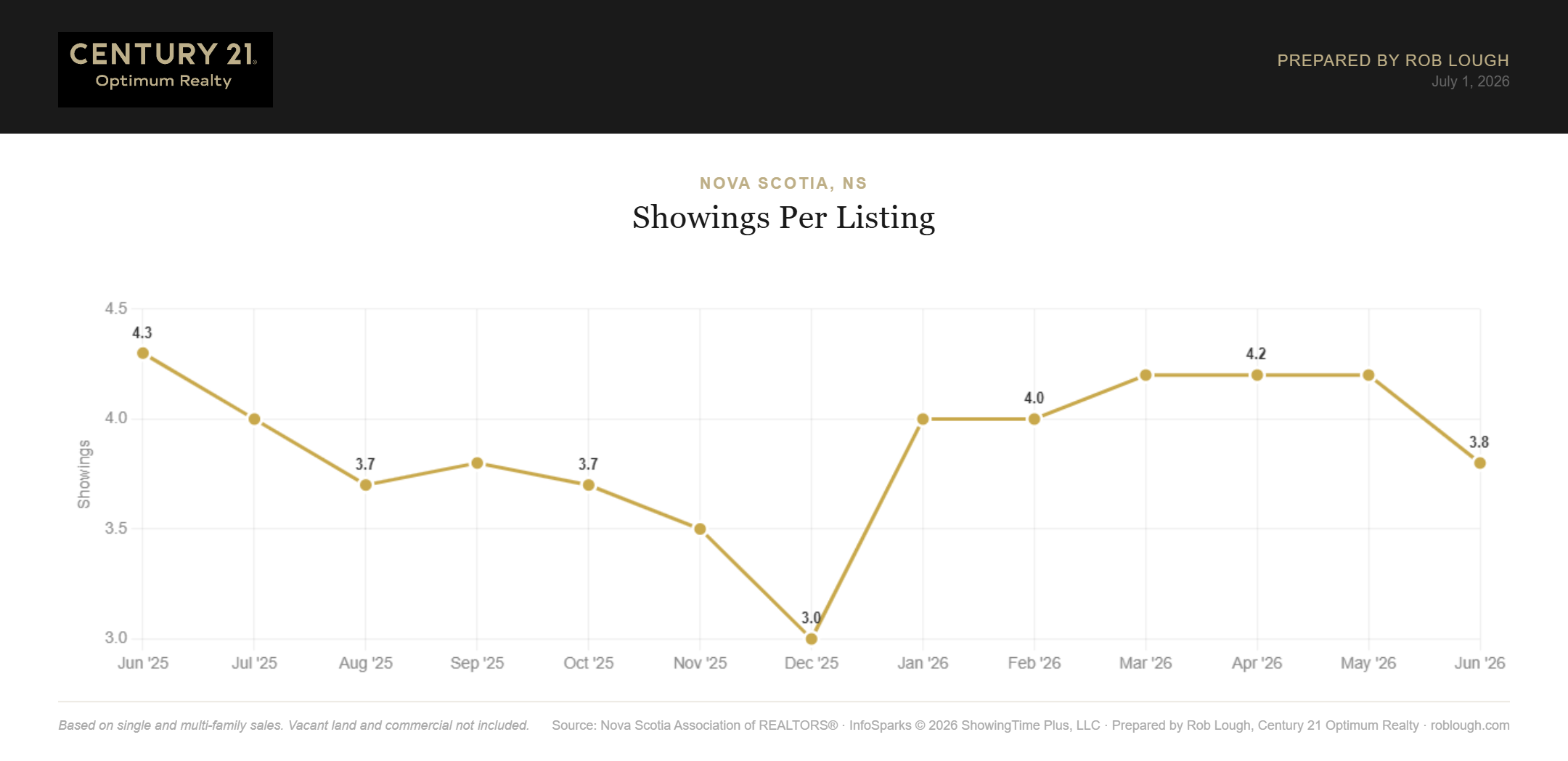
What’s Actually Changed (And Why It Matters to You)

Here’s the game-changer: you can now ask sellers to tell you if their coastal property has dealt with flooding, erosion, or drainage problems. It sounds simple, but it’s huge. We’re talking about the right to know if that gorgeous oceanfront cottage turns into a swimming pool during hurricane season.

The process works through official forms (Forms 211 and 212) that are regulated by the Nova Scotia Real Estate Commission. When you’re looking at coastal properties—whether that’s a finished home or a vacant lot where you’re planning to build—you can formally request this information. The seller has to respond honestly.

Think of it like a medical history for your potential new home. You wouldn’t buy a car without knowing if it had been in accidents, right? Now you don’t have to buy coastal property blind either.

Why This Took So Long (And Why It’s Happening Now)

Let’s be honest—our coastlines are changing, and not always in good ways. Rising sea levels, stronger storms, and faster erosion aren’t just things we read about in the news anymore. They’re happening in our communities, affecting our neighbors, and potentially threatening our biggest investments.

Sarah MacKenzie, who bought a beautiful home in Peggy’s Cove five years ago, learned this the hard way. “The first big storm we had, I was standing in my living room in rubber boots, watching my basement flood,” she says. “I had no idea the previous owners had dealt with this every few years. I wish I could have known.”

Stories like Sarah’s are exactly why these new rules exist. The province finally recognized that buyers deserve to know what they’re getting into before they sign on the dotted line.

It’s Not Just About Paperwork—There’s Real Help Available

The provincial government didn’t just create new forms and call it a day. They’ve built a whole toolkit to help you understand and deal with coastal risks:

Get a Personal Risk Report: You can request a coastal hazard assessment report that’s customized for your specific property. It’s like getting a personalized weather forecast, but for flooding and erosion risks over the coming years.

Learn to Work with Nature: There’s a guide that shows you how to use trees, plants, and natural landscaping to protect your property. Sometimes the best defense against erosion is a well-planned garden of native plants with strong root systems.

See Your Future: The coastal hazard mapping tool lets you visualize what flooding or erosion might look like at your property. It’s sobering, but it’s better to know than to guess.

Get Professional Guidance: Real estate agents now have access to specialized training and resources to help guide you through these conversations. Your agent should be able to walk you through the risks and help you understand what you’re looking at.

Find Your Way Forward: The Navigator service connects you with experts who can help you understand your options if you discover risks. They won’t just tell you what might go wrong—they’ll help you figure out what you can do about it.

What This Means for Real People

If you’re buying: Use these tools. All of them. Ask the hard questions. Request the disclosure information. Get the assessment report. Yes, you might discover some properties have issues, but you’ll also discover which ones don’t. And if you do find problems, at least you’ll know what you’re dealing with and can negotiate accordingly—or walk away.

If you’re selling: Be honest. Really honest. It might feel uncomfortable to talk about that time your basement flooded or the way the shoreline has changed over the years, but transparency protects everyone. Buyers who know what they’re getting into are less likely to come back later with complaints or lawsuits.

If you’re already living on the coast: Take advantage of these resources even if you’re not buying or selling. Understanding your risks and exploring your options is always better than hoping for the best.

The Bigger Picture

This isn’t just about individual property transactions. It’s about building communities that can weather whatever climate change throws at us. When people make informed decisions about coastal properties, everyone benefits. Property values stabilize around realistic expectations. Insurance costs become more predictable. Communities can plan better for the future.

Nova Scotia is actually leading the way here. These new rules are part of a 15-point plan called “The Future of Nova Scotia’s Coastline,” and other coastal areas are watching to see how it works out.

What You Should Do Right Now

If you’re even thinking about buying coastal property, start familiarizing yourself with these tools today. Don’t wait until you’re in the middle of a bidding war to figure out what questions to ask.

If you already own coastal property, take some time to explore the assessment tools and resources. You might discover risks you didn’t know about, but you’ll also discover options you didn’t know existed.

Most importantly, talk to people. Ask your real estate agent about these new requirements. Chat with your neighbors about their experiences. Join local community groups focused on coastal resilience. The more we share information and experiences, the better equipped we all are to handle whatever comes next.

Living by the ocean will always come with some risks—that’s part of the trade-off for those incredible views and the lifestyle we love. But now, at least, we can make those trade-offs with our eyes wide open. And sometimes, that makes all the difference.

Uncategorized 3 July 2025

Canadian Housing Market May 2025

Canadian Housing Market May 2025: Halifax Outshines Toronto and Vancouver as Prices Stabilize

The Canadian housing market is showing promising signs of stabilization in 2025, with regional variations telling a compelling story of recovery and opportunity. While major metropolitan areas like Toronto and Vancouver continue to struggle with affordability challenges, Halifax and Nova Scotia are emerging as standout performers in the national landscape.

National Housing Market Overview: Signs of Recovery

Canada’s housing market has reached a pivotal moment in 2025. The national average home price settled at $691,299 in May 2025, representing a modest 1.8% year-over-year decline but showing month-to-month growth that signals market stabilization.

Key national indicators point to renewed confidence:

  • Home sales increased 3.6% month-over-month in May 2025
  • Inventory remains tight at 4.9 months of supply nationally
  • Sales-to-new-listings ratio stands at 47%, indicating balanced market conditions

This represents the first significant uptick in sales activity since late 2024, with Toronto, Calgary, and Ottawa leading the charge in renewed buyer interest.

Halifax Real Estate: The Maritime Success Story

Halifax Home Prices Surge Ahead

Halifax has emerged as one of Canada’s most dynamic housing markets in 2025. The city’s average home price reached $603,267 in April 2025, climbing to an impressive $645,338 by May 2025 on a year-to-date basis. This represents substantial growth compared to the provincial average and reflects the city’s strong urban demand.

Market Dynamics: A Seller’s Paradise

Halifax’s housing market is characterized by exceptional momentum:

  • Sales activity exploded 131% from January to May 2025
  • New listings increased 113% during the same period
  • Median days on market dropped to just 23-26 days
  • 32% of homes sold over asking price in 2025, peaking at 44% in April

The average premium paid over asking price reached $20,768, with the sales-to-new-listings ratio hitting 65% – clear indicators of a robust seller’s market.

Nova Scotia Housing Market: Provincial Perspective

Beyond Halifax, Nova Scotia’s broader housing market demonstrates consistent strength. The provincial average home price reached $477,925 in April 2025, marking a healthy 2.3% year-over-year increase. This growth trajectory has been consistent, with prices rising from $418,200 in July 2024 – a 4.4% annual increase.

CMHC Forecast: Continued Growth Expected

The Canada Mortgage and Housing Corporation (CMHC) projects continued positive trends for Nova Scotia:

  • Average resale prices expected to reach $605,000 in 2025
  • Rental market stability with average two-bedroom rents around $1,740
  • Vacancy rates rising slightly to 2.5%, providing some relief for renters

Major Canadian Cities Comparison: Where Does Halifax Stand?

The Affordability Advantage

When compared to Canada’s major metropolitan areas, Halifax offers a compelling value proposition:

Toronto (ON): $1,097,300 average home price (-1.7% year-over-year) Vancouver (BC): $1,197,700 average home price (-0.5% year-over-year) Calgary (AB): $588,600 average home price (+8.2% year-over-year) Ottawa (ON): $648,900 average home price (stabilizing) Halifax (NS): $603,267-$645,338 average home price (+2.3% to +5% year-over-year)

Market Performance Analysis

Halifax’s performance stands out for several reasons:

  1. Positive price growth while Toronto and Vancouver experience declines
  2. Strong affordability compared to major Ontario and BC markets
  3. Competitive pricing similar to Calgary but with different economic drivers
  4. Rapid sales velocity indicating strong buyer demand

Regional Market Trends: The Atlantic Advantage

Why Halifax is Thriving

Several factors contribute to Halifax’s housing market success:

  • Strong job market supporting population growth
  • Relative affordability compared to Toronto and Vancouver
  • Quality of life attracting interprovincial migration
  • Limited housing supply creating competitive conditions

The Broader Atlantic Canada Story

Nova Scotia’s success reflects broader trends in Atlantic Canada, where markets remain more resilient than their counterparts in Southern Ontario and British Columbia. The region offers an attractive alternative for buyers priced out of major metropolitan areas.

Investment Implications and Market Outlook

For Homebuyers

Halifax presents unique opportunities for prospective homeowners:

  • Faster market entry compared to Toronto/Vancouver
  • Strong price appreciation potential
  • Competitive but manageable market conditions
  • Quality lifestyle at a reasonable cost

For Investors

The Halifax market offers several investment advantages:

  • Steady rental income potential with $1,740 average two-bedroom rents
  • Population growth supporting long-term demand
  • Economic diversification reducing market volatility
  • Relative affordability allowing for portfolio expansion

Looking Ahead: 2025 Housing Market Predictions

National Trends

The Canadian housing market appears poised for continued stabilization with:

  • Gradual price recovery in major markets
  • Increased sales activity as buyer confidence returns
  • Regional variation continuing to define market dynamics
  • Mortgage rate sensitivity influencing buyer behavior

Halifax-Specific Outlook

Halifax’s market trajectory suggests:

  • Continued price appreciation supported by strong fundamentals
  • Persistent inventory challenges maintaining seller advantages
  • Growing investor interest from other provinces
  • Infrastructure development supporting long-term growth

Conclusion: Halifax’s Housing Market Momentum

Halifax has positioned itself as a standout performer in Canada’s 2025 housing landscape. While Toronto and Vancouver grapple with affordability challenges and price corrections, Halifax offers a compelling combination of reasonable pricing, strong appreciation potential, and quality of life benefits.

The city’s housing market success reflects broader economic strength and demographic trends that position it well for continued growth. For buyers, sellers, and investors alike, Halifax represents a dynamic market opportunity in an otherwise cautious national environment.

As Canada’s housing market continues to evolve, Halifax’s performance demonstrates that opportunity exists beyond the traditional major metropolitan areas, offering a path to homeownership and investment success in one of Canada’s most vibrant and affordable major cities.


For the latest housing market updates and professional real estate guidance in Halifax and Nova Scotia, consult with local real estate professionals who understand the nuances of this dynamic market.